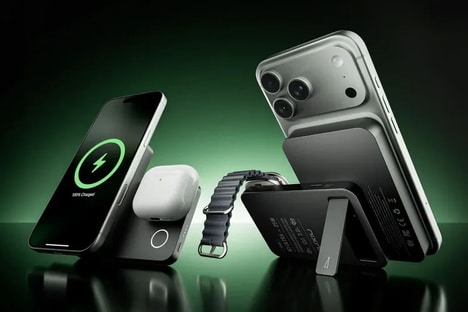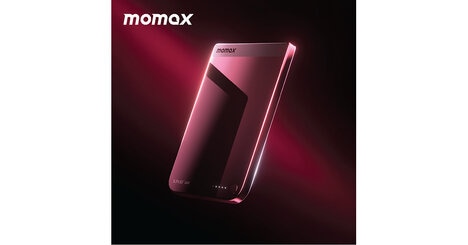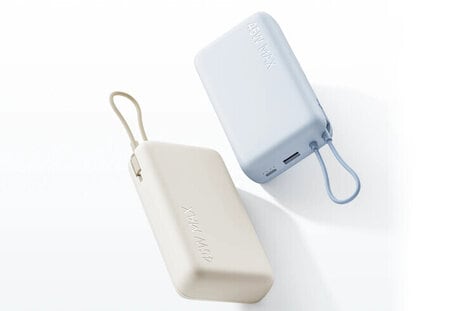
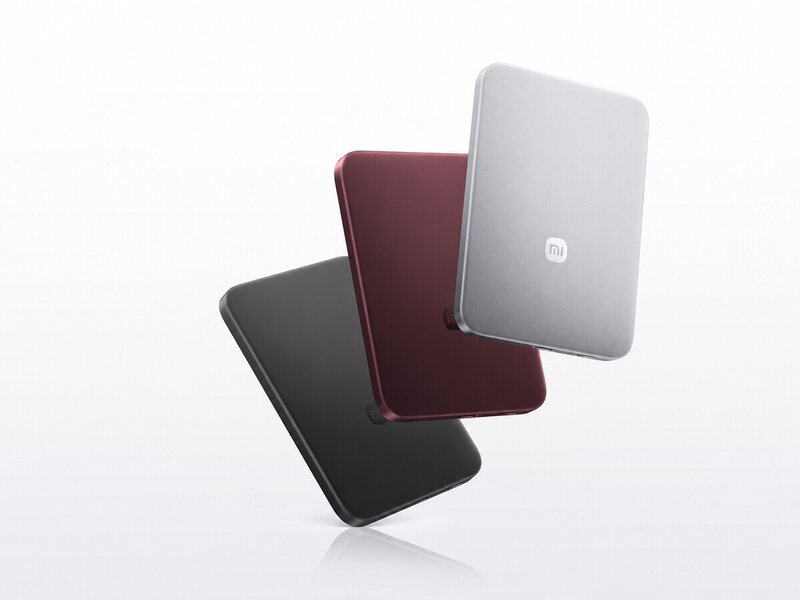
Xiaomi has refreshed its Jinshajiang Ultra-thin Magnetic Power Bank 5000mAh with quicker charging and a stricter safety standard, giving phone users a snap-on backup that does more than the earlier 5,000mAh version. The accessory is 6.75 mm thick and magnetically attaches to the back of a phone for cable-free charging.
Wireless output now reaches 20W on Xiaomi phones, while recent iPhones and Android handsets like the Pixel 11 series can use it as a magnetic top-up pack. It is on sale in China for 299 yuan, and Xiaomi has not set a global release for this version.
At 299 yuan, the update makes the slim power-bank format easier to justify for buyers who care as much about pocketability as charging speed. GB 47372-2026 compliance also turns safety into a selling point, widening what shoppers can expect from thin magnetic batteries.
Image Credit: Xiaomi
Why This Trend Is Growing
- Ultra-thin Charging
- Slimmer battery accessories are redefining portability by merging backup power with pocket-friendly form factors for everyday mobile users.
- Magnetic Power Ecosystems
- Snap-on charging formats are expanding accessory ecosystems around phones, creating new value in device-specific power compatibility.
- Safety-led Electronics
- Stricter compliance standards are becoming a product differentiator as consumers weigh charging performance against reliability and risk reduction.
Industries Being Reshaped
- Consumer Electronics
- Compact magnetic power banks indicate a shift toward multifunctional accessories that enhance flagship smartphone experiences without adding bulk.
- Mobile Accessories
- Premiumized charging add-ons are creating room for brands to compete on speed, design, and seamless attachment rather than basic battery capacity.
- Battery Technology
- Advances in thin-cell design and thermal safety are supporting smaller energy products that still meet rising expectations for fast wireless charging.