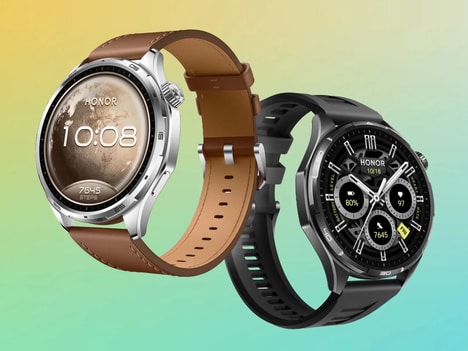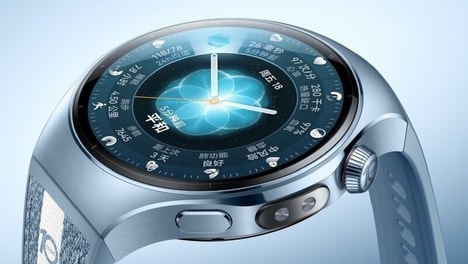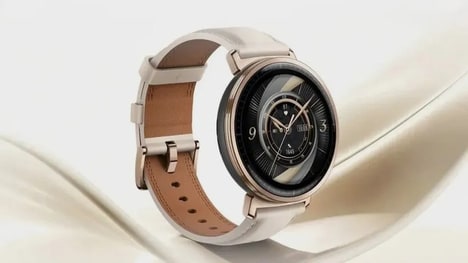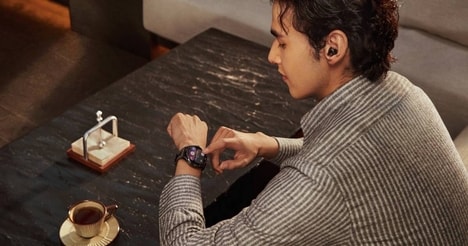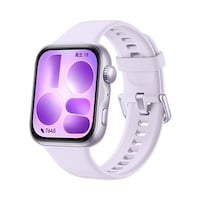
Huawei is expanding ultra-slim health smartwatches with the Watch Air, a wearable measuring just 6.9 mm thick and weighing 27 grams. Its redesigned internal structure accommodates health sensors, a large display, and a battery within a lightweight titanium alloy frame, offering extensive functionality without a bulky design.
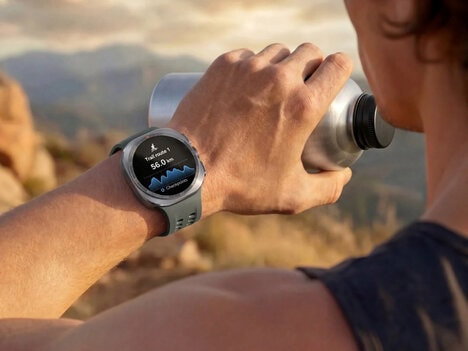
The smartwatch features a 1.92-inch AMOLED screen with 3,500 nits peak brightness, alongside a 350 mAh battery supporting fast wireless charging. Health capabilities include ECG analysis, blood oxygen monitoring, sleep tracking, and fall detection. More than 110 sports modes provide additional activity tracking options.
For Huawei, the compact design could attract consumers seeking comfortable wearables without sacrificing health and fitness features. With three strap configurations priced between 2,499 and 2,999 yuan, the company can appeal to different style preferences while expanding its smartwatch offerings.
Image Credit: AI-generated
What Makes This Trend Stand Out
- Ultra-slim Wearables
- Miniaturized components are enabling health-focused devices that feel more like everyday accessories than bulky electronics.
- Continuous Health Tracking
- Advanced sensors in consumer wearables are turning routine vital monitoring into a mainstream lifestyle feature.
- Fashion-integrated Fitness
- Customizable straps and lightweight materials are blurring the line between wellness technology and personal style.
Sectors Adopting This
- Wearable Technology
- Compact engineering creates openings for devices that combine premium design with medical-grade health insights.
- Digital Health
- Consumer smartwatches are expanding the market for preventive monitoring outside traditional clinical environments.
- Consumer Electronics
- High-brightness displays, fast charging, and slim hardware are redefining expectations for multifunctional personal devices.
Featured Reports

The Future of Food Isn't Always About Invention

The Smaller Celebration Economy