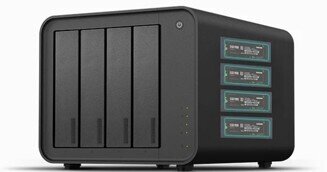
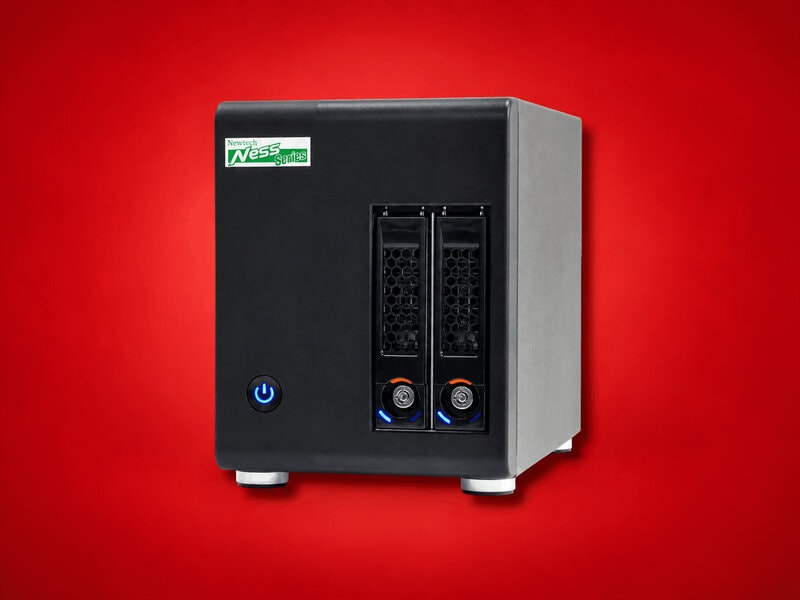
Newtech updates its desktop NAS, or network storage box, with the Ness1300 as a follow-up to the Ness1200. Running Windows Server IoT 2025, it gives clinics, small offices and surveillance sites a remote-managed home for shared files or recorded video. Its two bays reach 48 TB of raw capacity.
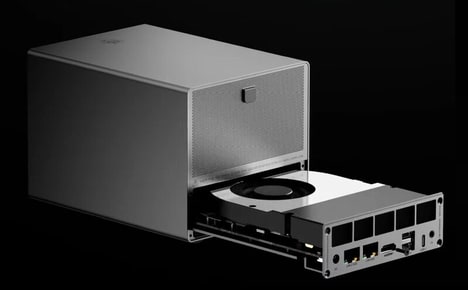
Newtech's Kite controller handles RAID 1 mirroring in hardware and can rebuild the array after a replacement drive goes in. A BMC port adds remote power control and hardware checks for units tucked into hard-to-reach rooms. That cuts down on maintenance visits.
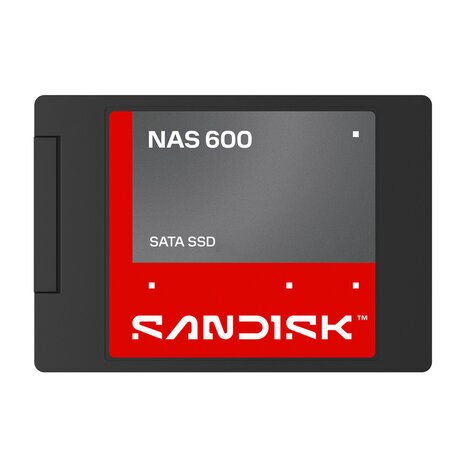
On a desk, the two-bay unit keeps the operating system on a separate SSD, which helps keep daily storage simpler to manage. It also supports hot swapping, so a failed disk can be changed without taking the box offline. Sales in Japan start in October 2026 with a 3-year warranty.
Image Credit: Newtech
Why This Trend Is Growing
- Remote-managed NAS
- Compact storage servers with built-in remote power control and hardware monitoring create opportunities for lower-touch infrastructure in clinics, branch offices and distributed surveillance sites.
- Hot-swap Edge Storage
- Two-bay systems that support live drive replacement and automated RAID rebuilding make localized data resilience more accessible for small organizations without dedicated IT staff.
- Purpose-built Micro Servers
- Separating the operating system from storage drives in compact Windows-based appliances enables simpler maintenance models for specialized file sharing and video recording environments.
Industries Being Reshaped
- Data Storage
- Small-capacity NAS products are evolving toward remotely serviceable, high-availability appliances that bridge consumer simplicity and enterprise reliability.
- Healthcare Technology
- Clinics benefit from secure on-site file storage that can be monitored and maintained remotely, reducing downtime risks in space-constrained care settings.
- Physical Security
- Surveillance operators gain value from compact edge storage servers that preserve recorded video locally while minimizing field service requirements.