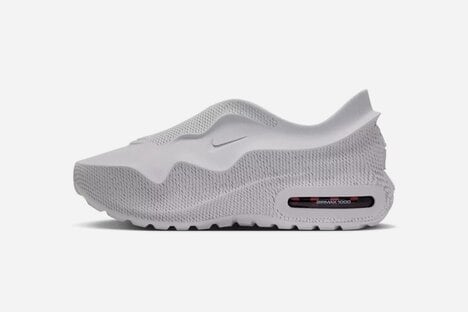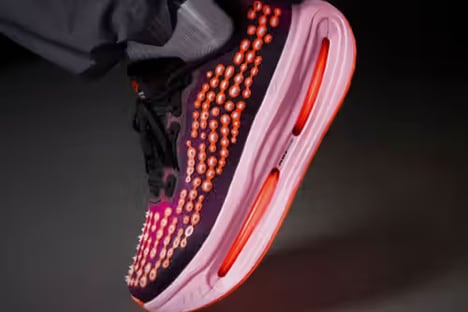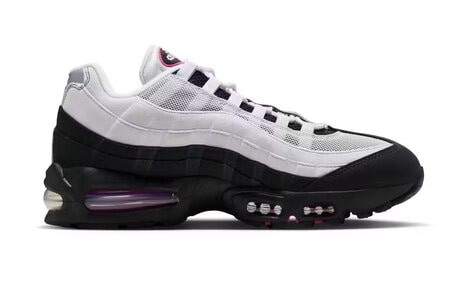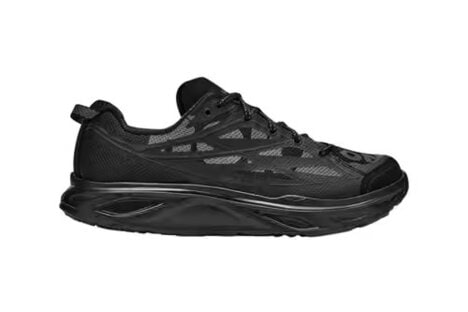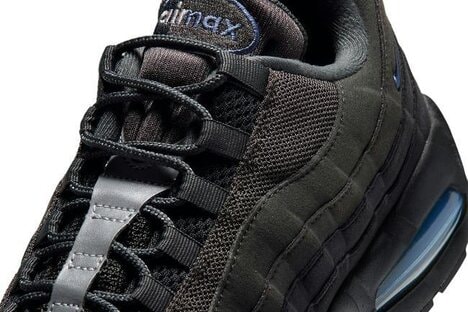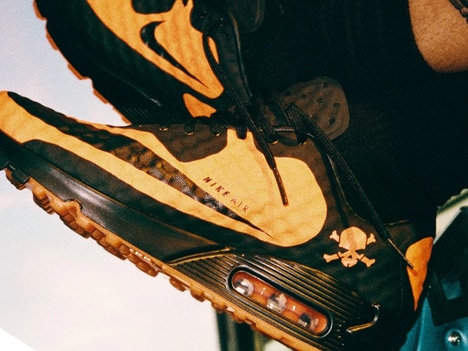
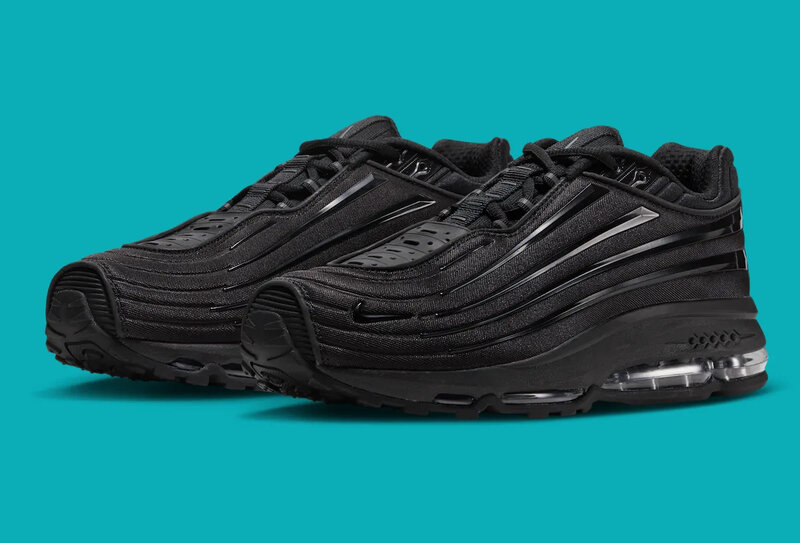
Nike is bringing back the 'Air Max Ecstasy,' a retro runner formerly known as the Air Max 2000, in a Triple Black finish. The revived shoe retains the bulky late-1990s silhouette and layered upper.
It also features visible air cushioning in the heel and the five-dot Alpha Project mark on the side. Those details make the shoe feel closer to an archival reissue than a simple color swap, while the dark palette lets the sculpted midsole and overlays stand out.
For shoppers, this means heritage runners can lean into a cleaner, moodier look without sacrificing the techy details that define the silhouette's character. Releases like this keep nostalgia tied to performance cues, which is why retro sneakers remain compelling on foot and on display.
Image Credit: JD Sports
What Makes This Trend Stand Out
- Monochrome Retro Runners
- All-black palettes are reframing archival sneaker silhouettes as versatile lifestyle products with premium streetwear appeal.
- Performance Nostalgia
- Heritage footwear designs that preserve visible cushioning and technical markers create fresh value by blending memory-driven style with functional credibility.
- Archival Sneaker Storytelling
- Reissued models with original branding details and design cues strengthen collector interest by turning product history into a differentiating retail asset.
Sectors Adopting This
- Athletic Footwear
- Retro performance models create space for brands to refresh dormant silhouettes without relying on entirely new tooling or design systems.
- Streetwear Fashion
- Moody, sculptural sneakers are expanding outfit-driven demand by connecting technical sports heritage with contemporary minimalist styling.
- Sneaker Resale
- Archival reissues with recognizable design codes can generate secondary-market attention by appealing to both nostalgic buyers and new collectors.