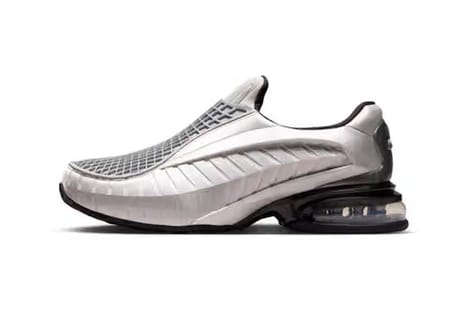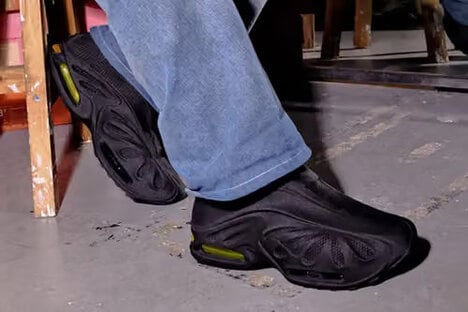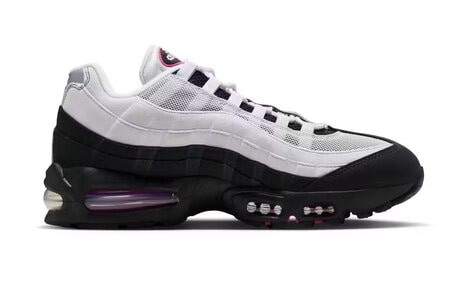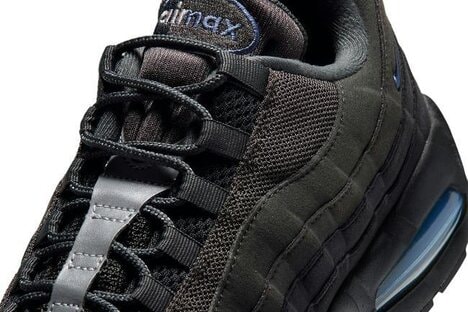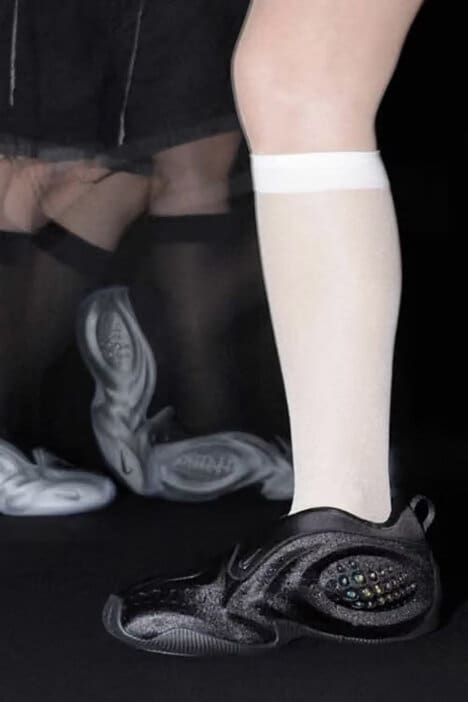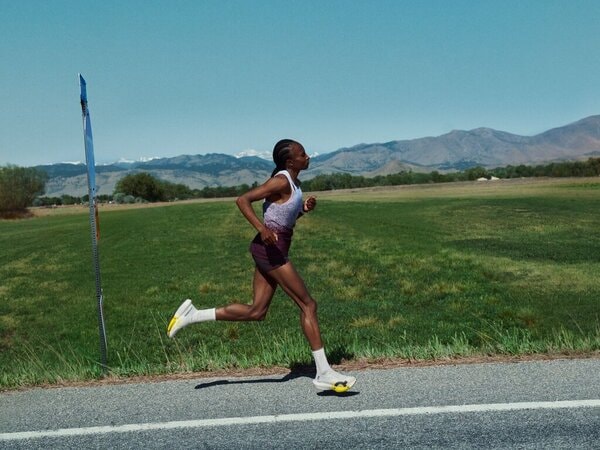
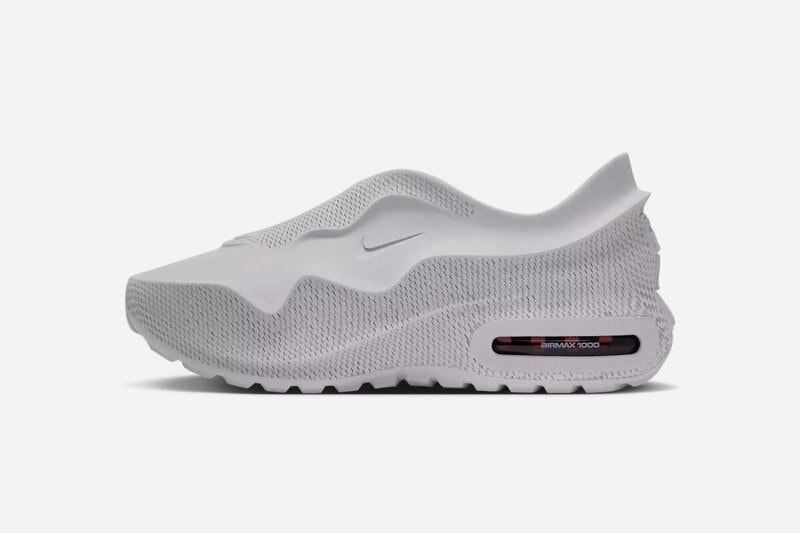
Nike is giving the Air Max franchise a more streamlined direction with the Air Max 1000 Stone and Burgundy Crush, replacing the traditional lace-up construction with a slip-on design. The shoe takes cues from the Air Max 1, first introduced in 1987, but reshapes its familiar proportions into a more sculptural, pared-back form.
One of the clearest links to the original is the raised wave detail across the upper, which references the Air Max 1’s mudguard while adding texture to the more futuristic silhouette. Underneath, a 3D-printed outsole brings a different approach to production, with the potential to simplify manufacturing while maintaining a familiar underfoot feel.
Rather than relying on another retro colourway or a small update to an existing design, the Air Max 1000 explores what happens when a recognisable sneaker is rebuilt around a different construction method. The result is an Air Max that puts the focus on shape, simplicity and new manufacturing techniques.
Image Credit: Nike
What's Driving This Trend
- Slip-on Sneaker Reinvention
- Laceless silhouettes create space for performance footwear that blends convenience, sculptural design, and familiar brand heritage.
- 3d-printed Footwear Production
- Additive manufacturing introduces new possibilities for simplified sneaker production, localized customization, and reduced reliance on conventional assembly methods.
- Heritage Futurism
- Iconic product lines can gain renewed relevance when recognizable design cues are reworked through advanced materials and contemporary construction techniques.
Who This Affects Most
- Athletic Footwear
- Performance shoe brands have room to differentiate through comfort-led forms that combine legacy design language with next-generation manufacturing.
- Additive Manufacturing
- Footwear applications highlight how 3D printing can move beyond prototyping into scalable consumer products with distinctive structural and aesthetic value.
- Fashion Retail
- Retail assortments can benefit from statement sneakers that merge collectible appeal, easy wearability, and visible innovation in product design.