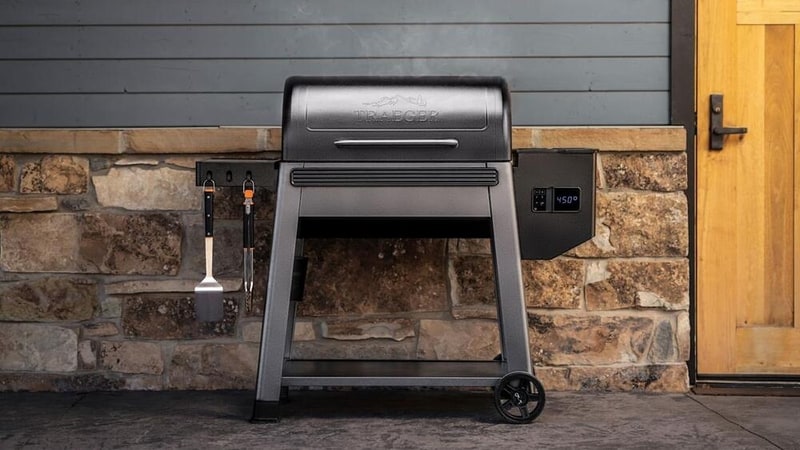
The Traeger Westwood smart pellet grills have been officially launched by the brand as a series of advanced cooking solutions that embrace a cost-effective design.
The grills include the Westwood and the Westwood XL, which are compatible with the brand's rail-based accessories. The grills also boast streamlined controllers when compared to previous models and sees the button-based interface introduced to replace the knobs. This acts as a more intuitive way to adjust the temperature, while also working with wired and wireless food probes and also offering WiFi support.
The Traeger Westwood smart pellet grills feature a two-tier setup that will offer 653 or 823-square-inches of cooking space, depending on the model. The grills each utilize an 18-pound pellet capacity thanks to the side-mounted hopper.
Image Credit: Traeger
What Makes This Trend Stand Out
- Smart-integrated Controls
- Advanced button-based interfaces with WiFi and probe integration enable simplified, remote-managed cooking experiences that could redefine user interaction paradigms for appliance ecosystems.
- Modular Rail-based Accessories
- Rail-compatible accessory systems allow customizable configurations and expandability that could shift purchasing from single-unit replacements to upgradeable component marketplaces.
- High-capacity Compact Design
- Two-tier cooking platforms and side-mounted hoppers delivering large pellet capacity in space-efficient footprints create possibilities for high-throughput, small-footprint culinary solutions for varied settings.
Sectors Adopting This
- Outdoor Cooking Equipment
- The move toward smart, networked grills presents opportunities for product lines that blend traditional barbecue craftsmanship with digital performance monitoring and service models.
- Consumer Internet of Things
- Integration of WiFi and wired/wireless probes highlights potential for ecosystem play where connected appliances feed into broader home automation and subscription analytics services.
- Home Energy and Fuel Supply
- Standardized pellet-capacity designs and predictable fuel consumption patterns suggest new channels for fuel-as-a-service offerings and optimized supply-chain innovations.