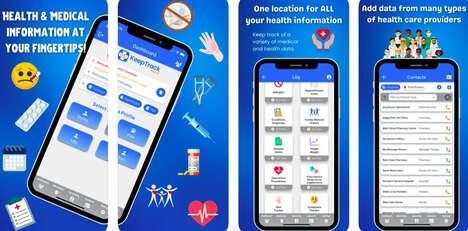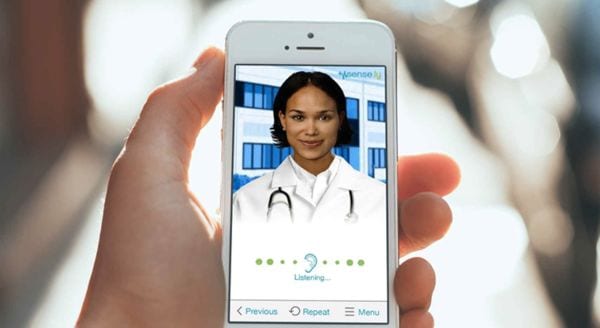
Officials the Centers for Disease Control and Prevention are turning to the sophisticated Viral Hemorrhagic Fever computer app for the purpose of tracking Ebola.
The app allows users to easily create and maintain databases of patient information including details on patient names, gender, age, location, status -- such as dead or alive -- and their case classification. The app helps reduce data entry errors and lessens the burden of data management on public health workers.
The app generates virus transmission diagrams that help workers in the field visualize and predict outbreaks and their reach. Crucially, the app does not require an Internet connection once it has been downloaded and installed. This means that tracking Ebola is possible in places with limited connectivity and little or no information technology support.
Why This Trend Is Growing
- Viral Illness-tracking Apps
- The demand for more specialized and sophisticated illness-tracking apps will continue to increase as healthcare workers seek to prevent and manage illness outbreaks.
- Offline Medical Apps
- The trend towards easy-to-use offline medical apps for low-connectivity areas with limited IT infrastructure will present an opportunity for app developers and tech companies.
- Data Management Innovation
- As public health workers face increasing data management burdens, there is a growing need for innovative solutions to automate and streamline data collection and analysis.
Industries Being Reshaped
- Healthcare Industry
- Healthcare providers and researchers will need to develop and implement smart and innovative technologies to improve care outcomes and reduce the spread of disease.
- App Development Industry
- The app development industry will continue to see a high demand for innovative and specialized medical apps such as the Viral Hemorrhagic Fever app.
- Data Management Industry
- The growing demand for better data management solutions in the healthcare industry presents opportunities for companies to develop software and systems that can automate and streamline data collection and reporting for public health workers.