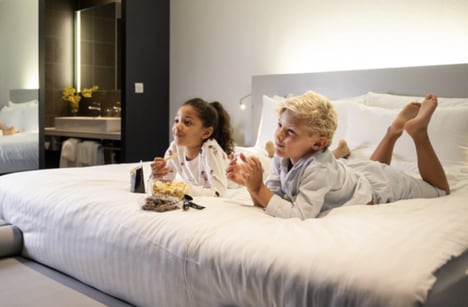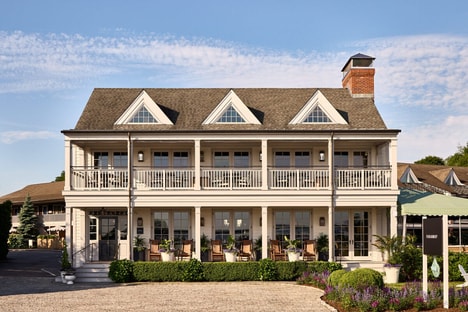
The MUJI BASE KYOTO Kiyomizu opens in Kyoto's Higashiyama district as the latest property in MUJI's BASE hospitality concept, introducing an adaptive reuse hotel focused on local immersion. The hotel transforms the former Amenity Hotel Kyoto while preserving its exterior and furnishing approximately 90% of the interior with MUJI products.
Kyoto-made artisan pieces complement the minimalist spaces, and the property sits within walking distance of Kiyomizu-dera Temple despite promoting a slower approach to tourism. The concept encourages guests to engage with neighborhood culture rather than follow conventional sightseeing itineraries.
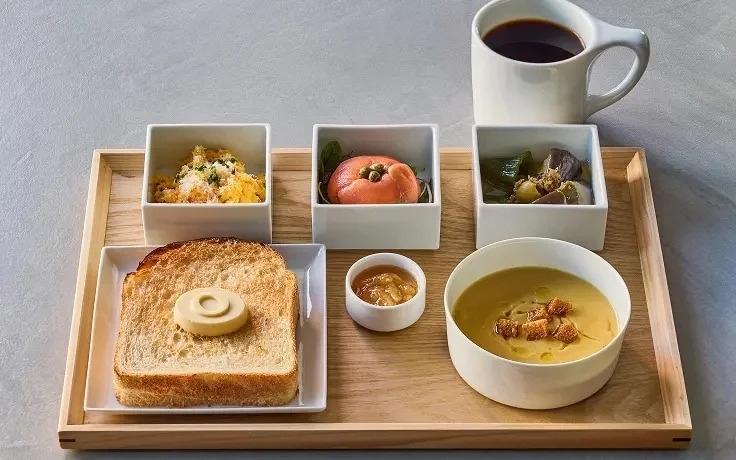
The hotel provides an Outing Kit with a reusable water bottle, tote bag, neighborhood map, and recommendations for nearby experiences. Guests can join early morning walks to Kiyomizu-dera, participate in rajio taisō radio calisthenics, explore local tofu shops, or try kintsugi pottery repair before returning for a Kyoto-style obanzai breakfast prepared by Ogawa Coffee.
Image Credit: MUJI
Why This Trend Is Growing
- Adaptive Reuse Hospitality
- Former hotel and commercial properties are becoming localized boutique stays where preservation, branded interiors, and neighborhood storytelling create differentiated lodging models with lower development waste.
- Slow Tourism Experiences
- Neighborhood walks, artisan workshops, and everyday food rituals signal a shift from checklist sightseeing toward immersive guest programming that monetizes local culture without relying on major attractions.
- Retail-branded Hotels
- Lifestyle retailers are extending product ecosystems into hospitality spaces, turning rooms into experiential showrooms that blend accommodation, merchandising, and brand loyalty.
Industries Being Reshaped
- Boutique Hotels
- Small-format lodging concepts can compete through design consistency, cultural specificity, and curated guest rituals rather than scale-driven amenities.
- Travel and Tourism
- Localized itineraries and reusable outing tools reflect demand for lower-impact urban exploration that connects visitors with resident businesses and traditional practices.
- Home Goods Retail
- Furniture, housewares, and lifestyle brands gain new relevance when hospitality environments demonstrate products in lived-in settings tied to regional aesthetics.