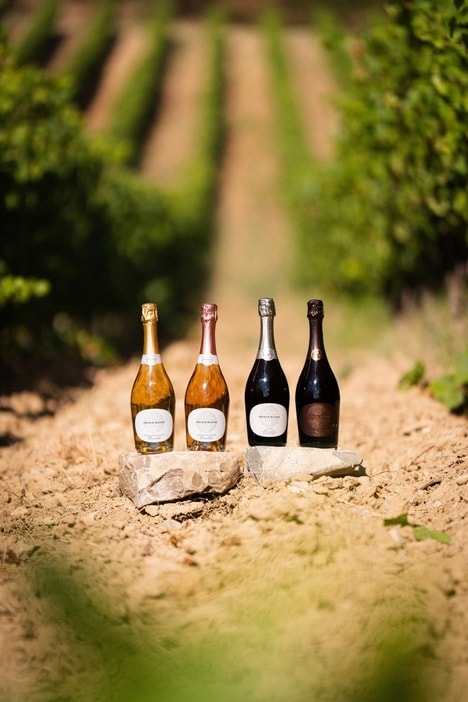
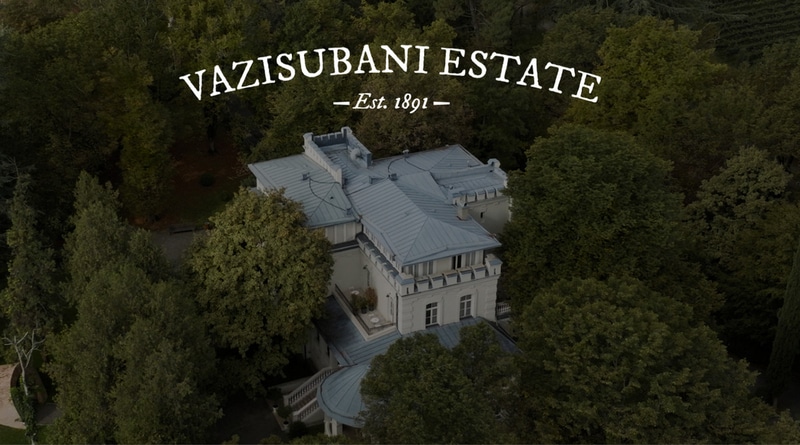
Vazisubani Estate, a Kakheti-based producer with a history dating back to 1891 and a recipient of a One MICHELIN Key distinction, has positioned itself as a benchmark for Georgian fine wine.
The estate prides itself on a dual-philosophy approach that includes both traditional Qvevri wines fermented in buried clay vessels and an Estate Collection produced using contemporary European techniques. The property, originally established by Georgian nobleman Sulkhan Chavchavadze as a cultural hub in the late 19th century, now functions as an immersive enotourism destination that integrates a restored wine cellar, 35 hectares of vineyards, a 19-room luxury boutique hotel, and a historic dendrological garden, all within a single self-contained retreat.
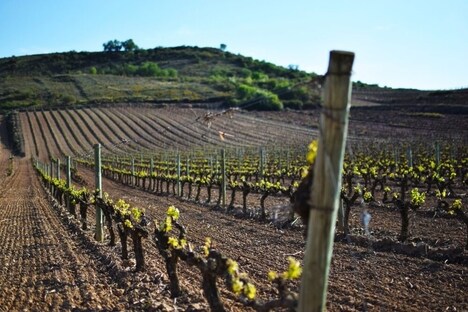
The winery produces approximately 140,000 bottles annually from five indigenous grape varieties — Saperavi, Rkatsiteli, Kisi, Khikhvi, and Kakhuri Mtsvane — grown in the Alazani Valley, where high-elevation breezes from the Caucasus Mountains meet rich alluvial soils.
Image Credit: Vazisubani Estate
Key Themes Behind This Trend
- Heritage Enotourism
- Historic wine estates are becoming immersive destinations where vineyards, boutique lodging, cultural landmarks, and curated tastings create premium travel experiences rooted in place.
- Dual-method Winemaking
- The pairing of ancient Qvevri fermentation with contemporary European production techniques supports differentiated portfolios that appeal to both tradition-seeking collectors and modern fine wine buyers.
- Indigenous Grape Premiumization
- Native varietals such as Saperavi, Rkatsiteli, and Kisi offer distinctive flavor identities that can elevate regional wines into globally recognized luxury categories.
Where This Applies
- Fine Wine
- Producers with heritage credentials, limited annual volumes, and terroir-specific grape varieties are positioned to challenge established Old World labels in the premium market.
- Luxury Hospitality
- Boutique hotels embedded within working estates reflect a shift toward self-contained retreats where accommodations, landscape, history, and gastronomy form a unified high-end experience.
- Culinary Tourism
- Recognition from prestige guides and estate-based wine programming strengthens demand for food-and-wine itineraries centered on emerging regions with deep cultural narratives.