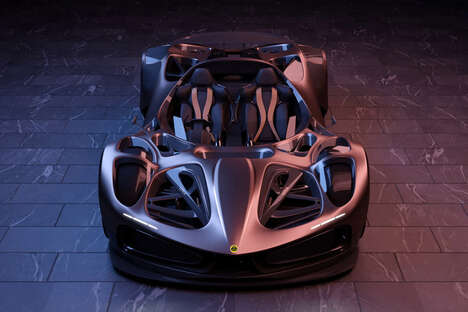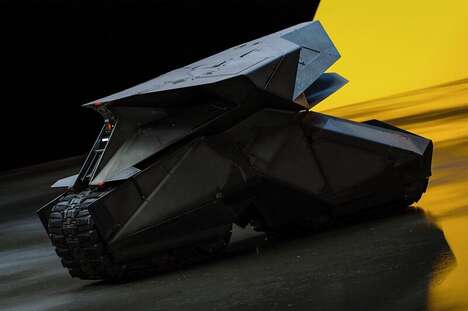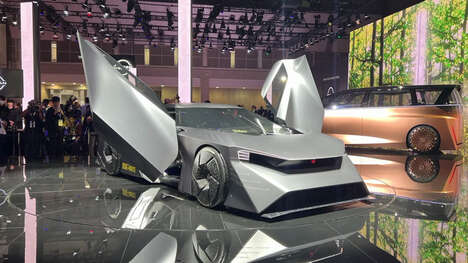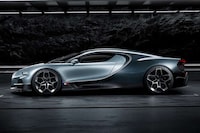
Spanish designer Arturo Ariño Rábago's The Lotus Concept vehicle is designed for the year 2067, and is completely jet engine-powered. The vehicle contains no wheels but two turbines and an inline -8 capable of generating 79,000 bhp at 90,000 rpm and 13,300 lb-ft of torque at 78,000rpm.
This superfast floating car achieves a top speed of 16,083 km/h and moves at 100 km/h in just 0.46 seconds. The Lotus concept vehicle features dual ultra-lightweight afterburning turbines attached to a carbon fiber wing, touchscreen controls and rear engine controls to control the rear turbines.
Why This Trend Is Growing
- Jet Engine-powered Vehicles
- This trend presents opportunities for developing new transportation technologies powered by jet engines that can offer unprecedented speed and performance.
- Floating Vehicles
- This trend highlights the potential for creating vehicles that can hover or float above ground, offering new possibilities for transportation and exploration.
- Superfast Transportation
- This trend focuses on the development of vehicles capable of reaching extremely high speeds, revolutionizing the concept of travel and transportation.
Industries Being Reshaped
- Automotive
- The automotive industry can explore the incorporation of jet engine technology into vehicles to create faster and more efficient transportation solutions.
- Aerospace
- The aerospace industry can leverage the concept of floating vehicles to design innovative aircraft or spacecraft capable of hovering or floating in the air.
- Technology
- The technology industry can contribute to the advancement of superfast transportation by developing cutting-edge control systems, power sources, and materials for vehicle manufacturing.