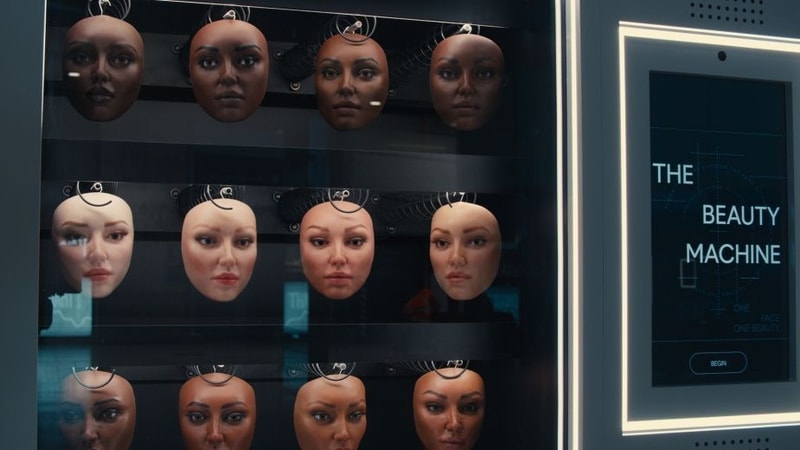
Dove, a champion of real beauty and a brand that has committed to never using AI to create or distort images of women, created The Beauty Machine to show how algorithms reinforce a single face of beauty. As social media feeds narrow the scope of beauty, millions of people feel the pressure to fit the "ideal"—according to the Dove State of Beauty report, nearly one in two women and girls in the UK feel pressured to change their appearance even when they know an image is fake.
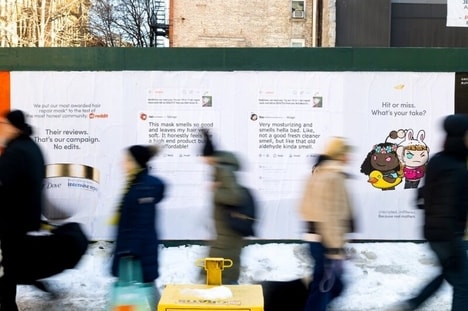
The Beauty Machine, which was set up in Waterloo Station, served up the illusion of choice and seemingly offered variety but continuously delivered the same unreal face, over and over again. Passersby who scanned the machine’s code had the chance to join the Dove open casting call. To counter algorithm-driven beauty standards, images celebrating real beauty began to appear on billboards across Waterloo within 48 hours, alongside ongoing features across Dove-owned social channels.
Key Themes Behind This Trend
- Anti-AI Authenticity
- Growing consumer preference for human-made imagery creates space for brands that foreground real people and transparent creative processes over synthetic or AI-altered content.
- Algorithmic Transparency Demands
- Heightened scrutiny of feed-curation algorithms is driving expectations for explainable content selection and visible design choices from platforms and marketers.
- Pop-up Participatory Campaigns
- Temporary real-world activations that invite public input are increasingly used to counter digital homogenization and surface diverse, locally resonant representations.
Where This Applies
- Advertising Agencies
- A shift toward authenticity-first creative briefs opens possibilities for agencies that can document human processes and produce consistently genuine imagery at scale.
- Social Media Platforms
- Platforms facing pressure to justify recommendation systems may evolve features that expose algorithmic reasoning and support verified non-AI content provenance.
- Out-of-home Media
- Billboard and transit advertisers that integrate rapid-response, user-sourced visuals can disrupt static inventory by delivering timely, community-driven messaging.