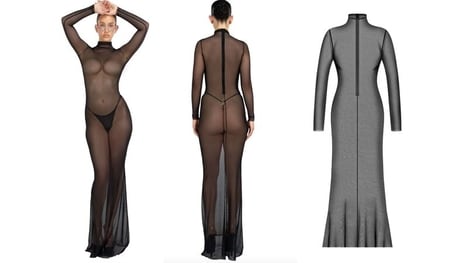
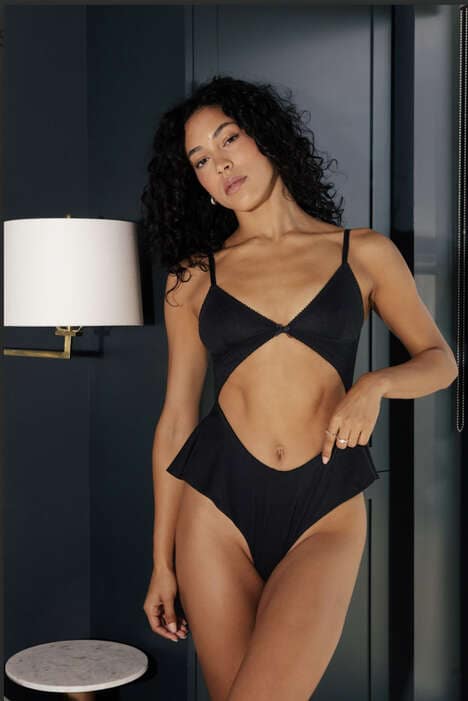
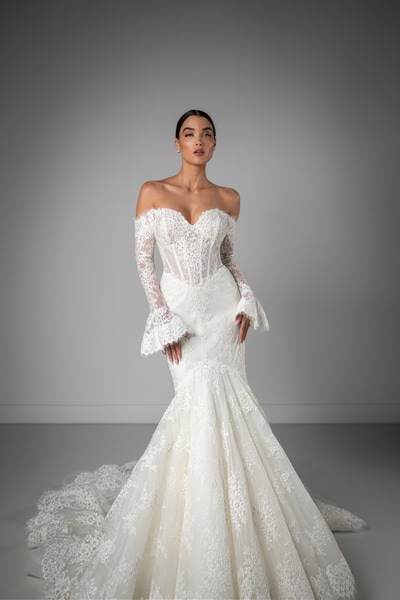
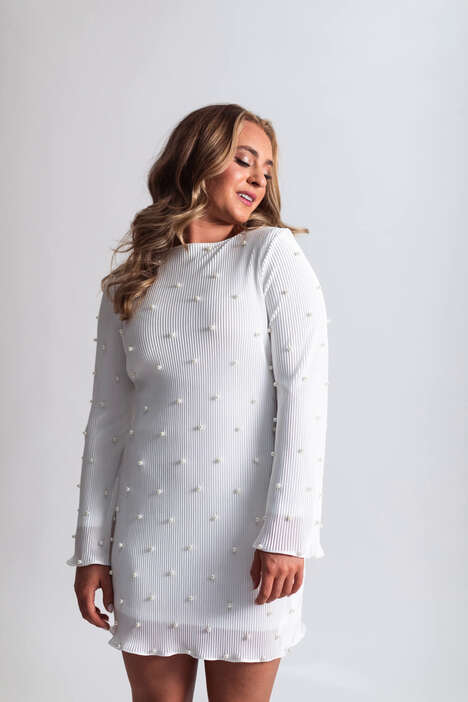
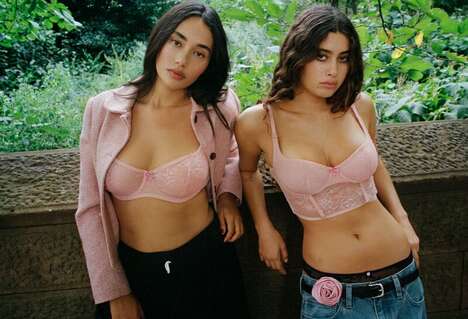
Lorette's bridal lingerie line boldly merges couture craftsmanship with sustainable luxury to redefine traditional approaches to wedding undergarment design. The brand's pieces transcend the wedding day itself.
Lorette uses exquisitely delicate materials for the silhouettes in its bridal lingerie line. From the signature Folie silk sets to the Calm underwear reimagined in bridal whites and soft dove grey, these undergarments display intricate hand-applied sequins, soft French silk, and comfort-focused Italian jersey. Balancing between ethereal beauty and everyday wearability, the brand also boasts some non-traditional hues like the playful river blue in the Jolie Silk Panties.
Lorette's pieces are handmade in Toronto using upcycled European fabrics. The limited production capabilities of this process enhance the value of the bridal lingerie line by maintaining its exclusivity.
Image Credit: Lorette
Why This Trend Is Growing
- Sustainable Luxury Lingerie
- Lorette's commitment to merging sustainability with luxury in bridal lingerie caters to eco-conscious consumers seeking environmentally-friendly yet high-end products.
- Non-traditional Bridal Hues
- Incorporating non-traditional colors such as river blue into bridal lingerie challenges conventional bridal color palettes, offering unique personalization for brides.
- Couture Craftsmanship in Everyday Wear
- Bridal lingerie that balances couture craftsmanship with everyday wearability appeals to consumers looking for versatile luxury apparel.
Industries Being Reshaped
- Luxury Fashion
- The luxury fashion industry can explore broader sustainability practices by integrating eco-friendly materials and processes as demonstrated by Lorette.
- Wedding and Bridal Apparel
- Revolutionizing traditional wedding attire with unique designs and sustainable practices sets new standards in the bridal apparel industry.
- Textile Manufacturing
- The use of upcycled European fabrics highlights a growing trend in textile manufacturing towards reducing waste and enhancing product exclusivity.