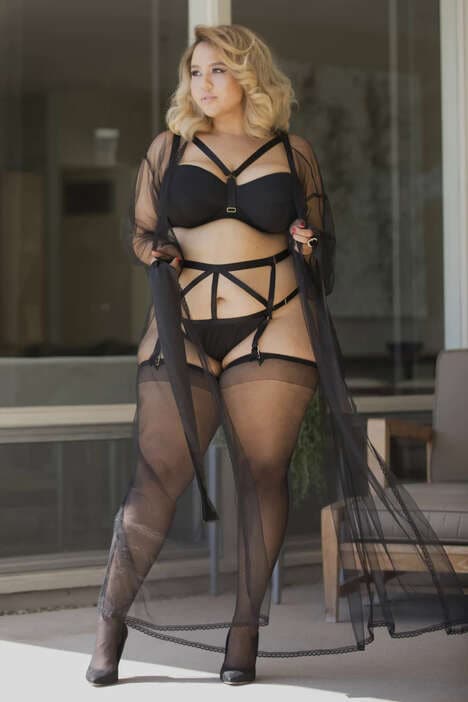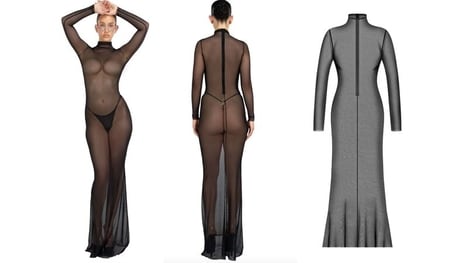

Parade launched its 'That Lace' collection, revolutionizing traditional perceptions of lace intimates through an inclusive and versatile approach to everyday wear. The collection represents a significant shift in intimate apparel design, featuring pieces crafted from recycled nylon and engineered for both comfort and style. This launch emerges from Parade's recent acquisition by Ariela & Associates International (AAi), marking a new chapter in the brand's evolution toward sustainable and inclusive fashion.
Under the creative direction of Athena Wrann, the collection spans from bralettes to bodysuits, with prices ranging from $14 to $48 USD. The campaign, creatively directed by Jen Brill Studios, showcases the pieces in dynamic urban settings, highlighting their adaptability for daily wear. Available in three sophisticated colorways - Blushing Rose, Eightball, and Vampire Kiss - the collection demonstrates Parade's commitment to transforming lace from a special-occasion fabric into a versatile wardrobe essential.
Image Credit: Parade
What Makes This Trend Stand Out
- Sustainable Intimate Apparel
- Parade's 'That Lace' collection, utilizing recycled nylon, underscores a growing emphasis on sustainability within the intimate apparel market.
- Inclusive Lingerie Design
- The 'That Lace' collection exemplifies a move toward inclusivity in lingerie, offering styles that cater to a diverse range of body types.
- Versatile Lace Fashion
- By transforming lace into a fabric for everyday wear, Parade's new collection challenges traditional views of lace as a special-occasion material.
Sectors Adopting This
- Fashion & Apparel
- The introduction of Parade's 'That Lace' collection highlights ongoing innovation in the fashion industry towards inclusivity and sustainability.
- Textile Manufacturing
- The use of recycled nylon in Parade's latest line points to significant advancements in sustainable textile production.
- Retail & E-commerce
- Parade's approach to marketing its lingerie line through dynamic urban campaigns represents a shift in retail strategies to engage environmentally and body-positive consumers.