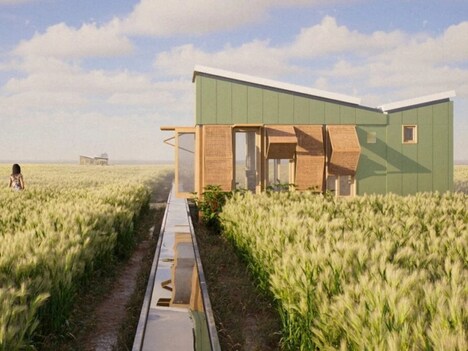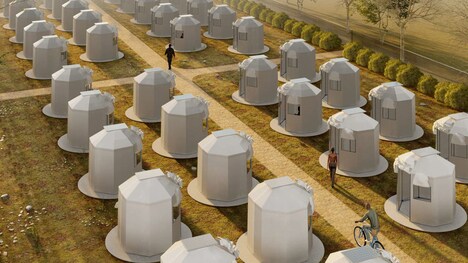

Eco-conscious architect Andrew Maynard has come up with a design that would provide a temporary housing solution for flood-effected areas. The sustainable home, also known as 'The Airdrop House', can be carried from flooded areas and be dropped from a plane.
Specially made with sponge-like materials which soak up and remove water, 'The Airdrop House' can expand up to seven meters in diameter to provide enough space for living.
Implications - The green revolution has had a transformative effect on social values. Consumers that consider themselves eco-minded prize efficient design and the reduction of waste. Companies should create ad campaigns that serve to champion their environmental initiatives to forge a more meaningful relationship with eco consumers.
What's Driving This Trend
- Flood-proof Housing Solutions
- There is a need to develop sustainable homes that can be deployed as a temporary housing solution to flood-affected areas.
- Sponge-like Materials
- There is an opportunity in developing and exploring the use of sponge-like materials that can soak up and remove water in a variety of applications beyond housing.
- Instant and Deployable Housing
- There is a need to design and create temporary housing solutions that can be easily and quickly transported and assembled in disaster-stricken areas.
Who This Affects Most
- Architecture and Design
- There is an opportunity for architectural firms to use eco-conscious designs to create innovative housing models.
- Construction
- There is an opportunity for construction companies to explore the use of sustainable materials and innovative techniques to reduce waste and increase efficiency in their projects.
- Emergency Response and Aid Agencies
- There is an opportunity for emergency response and aid agencies to collaborate with architects and construction companies to develop innovative temporary housing solutions for disaster-stricken areas.