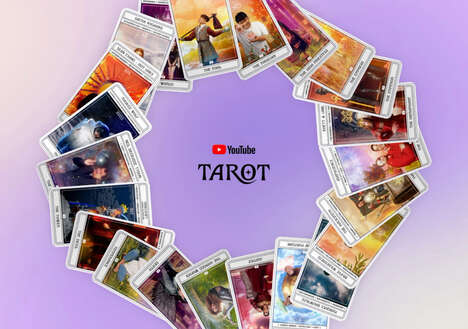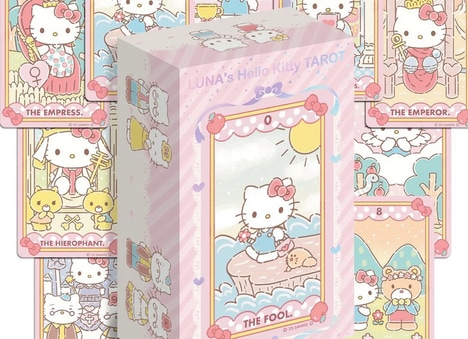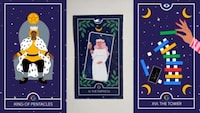
Tarot cards have been used to predict people's fortunes since the 15th century. Typically, the cards depict a character of whatever the card's name is. For example, the Wizard would feature a Merlin-esque portrait.
However, Russian designer Anton Shlyonkin decided to redo the prophetic playing cards to reveal typography instead. Due to their symbolic nature, Shlyonkin saw this as quite the undertaking. He explained, "The Lovers is a Gemini ruling card. So, to express its dual nature, I made an ambigram." At the same time, he also took some creative liberties with the tarot cards. The Force, for example, has a decidedly 1980s science fiction film feel.
Shlyonkin custom designed every letter particularly for this project.
Why This Trend Is Growing
- Typography in Tarot
- Integrating typography into tarot card designs presents an opportunity for a modern and visually striking interpretation of the cards.
- Symbolic Redesign
- Redefining the traditional imagery of tarot cards through symbolic and typographic representations opens up new possibilities for self-expression and personal meaning.
- Ambigram Artistry
- Exploring ambigrams as a design element in tarot cards introduces an innovative way to capture duality and create engaging visual experiences.
Industries Being Reshaped
- Art and Design
- Artists and designers can leverage the modern tarot typography trend to redefine visual storytelling and create unique products that resonate with contemporary audiences.
- Psychic Services
- Psychic service providers can embrace the symbolic redesign of tarot cards to enhance their offerings and provide clients with fresh interpretations and experiences.
- Printing and Manufacturing
- Printing and manufacturing companies can explore new markets and revenue streams by catering to the demand for custom-designed tarot cards that feature typography and innovative symbolism.