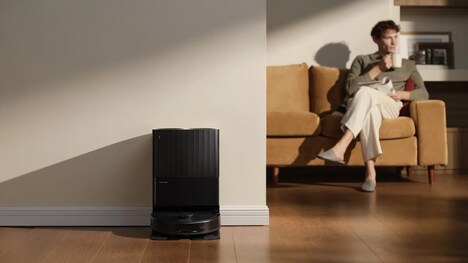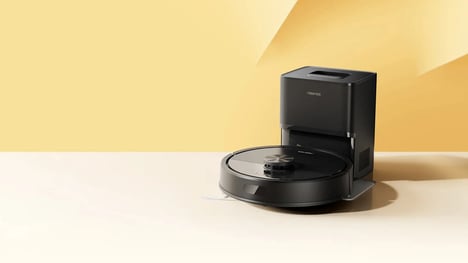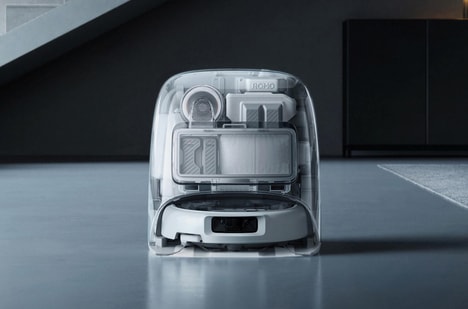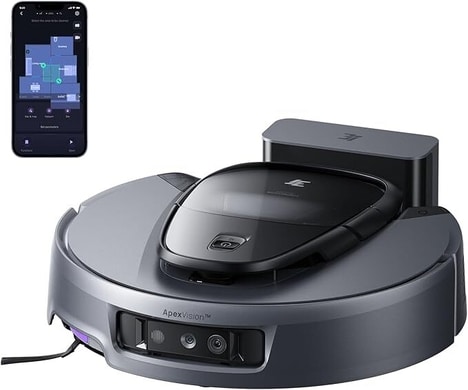
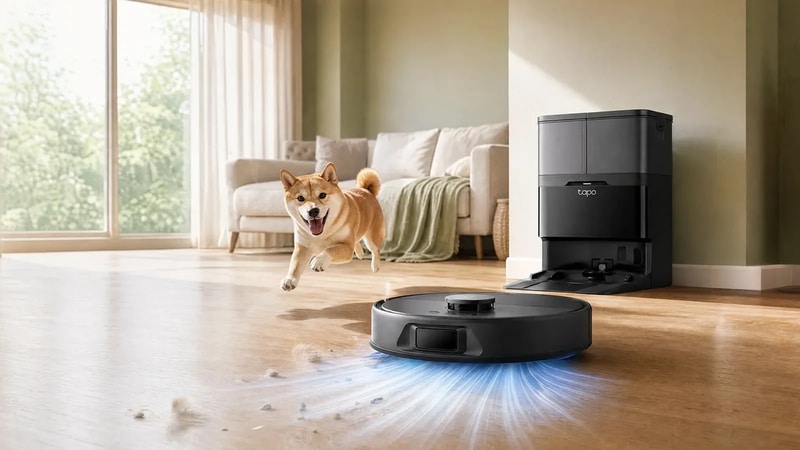
The Tapo RV50 Omni robotic vacuum is a new model from the tech brand that draws inspiration from one of its pro models, but keeps a strong focus on accessibility to help widen consumer interest. The vacuum features 12,000Pa of suction power, which works with the anti-tangle brush system to automatically remove hair and debris to prevent it from clogging with regular use. The unit features the same chassis, LiDAR navigation and self-cleaning dock that's found with the brand's RV50 Pro Omni with only a handful of feature omissions to achieve the right price point to maximize interest from shoppers.
The Tapo RV50 Omni robotic vacuum is priced at £499.99 and will launch July 31, 2026 but is being promoted with a £319.99 introductory price to position it well below the aforementioned Pro model to maximize affordability.
Image Credit: Tapo
Why This Trend Is Growing
- Affordable Premium Robotics
- Mid-tier home robots are increasingly borrowing flagship hardware and navigation systems, creating room for brands to redefine value through near-premium performance at mass-market prices.
- Self-maintaining Smart Appliances
- Automated docks, anti-tangle brushes, and debris management systems signal a shift toward appliances that reduce upkeep, opening new possibilities for convenience-led product differentiation.
- Lidar-enabled Home Cleaning
- Advanced mapping technology is moving beyond high-end models, allowing accessible robotic vacuums to deliver more precise cleaning and stronger consumer trust in autonomous home devices.
Industries Being Reshaped
- Consumer Electronics
- Price-conscious smart devices with pro-inspired features are reshaping expectations for connected hardware, especially as brands balance performance, design reuse, and broader market accessibility.
- Home Appliances
- Robotic cleaning systems with self-cleaning functions and stronger suction are expanding the appliance category into intelligent maintenance, where automation becomes a core household utility.
- Smart Home Technology
- Connected cleaning robots equipped with navigation, docking, and automated maintenance features strengthen the smart home ecosystem by making everyday automation more affordable and practical.