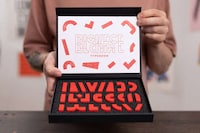
This unsettling artistic alphabet designed by Takayuki Ogawa is made out of expressive mouths and other oral components. 'Oral:phabet' is arranged in a wooden case, taking a physical form rather than just a graphic one that could only be viewed online. The white sculptures have pink embellishments, but are otherwise very sterile looking. The white-painted lips have a particularly unusual esthetic.
The alphabet Takayuki Ogawa created uses very realistic models of mouths, teeth and tongues. The images from this project show the sculptural alphabet and its crate from a variety of angles. The strange typography imagined by the Japanese artist follows on the concept of humanistic typefaces, but in a more physical and orally-fixated way.
What's Driving This Trend
- Realistic Sculptural Typography
- The trend of creating typographic designs using realistic mouth, teeth and tongue sculptures presents disruptive innovation opportunities in the art and design industry.
- Physical Expression in Typography
- The trend of using physical forms and tactile elements in typographic designs opens up disruptive innovation opportunities in the print and advertising industries.
- Humanistic Oral Aesthetics
- The trend of incorporating oral components in typography explores disruptive innovation opportunities in the fields of fashion, cosmetics, and branding.
Who This Affects Most
- Art and Design
- The art and design industry can leverage the realistic sculptural typography trend to create unique and immersive artworks and installations.
- Print and Advertising
- The print and advertising industry can embrace the trend of using physical expression in typography to create captivating and interactive print campaigns.
- Fashion, Cosmetics, and Branding
- The fashion, cosmetics, and branding industries can explore the trend of humanistic oral aesthetics to create visually striking and memorable brand experiences.