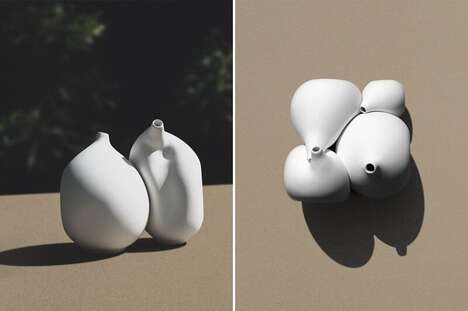
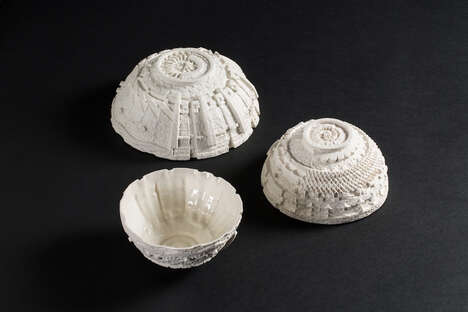
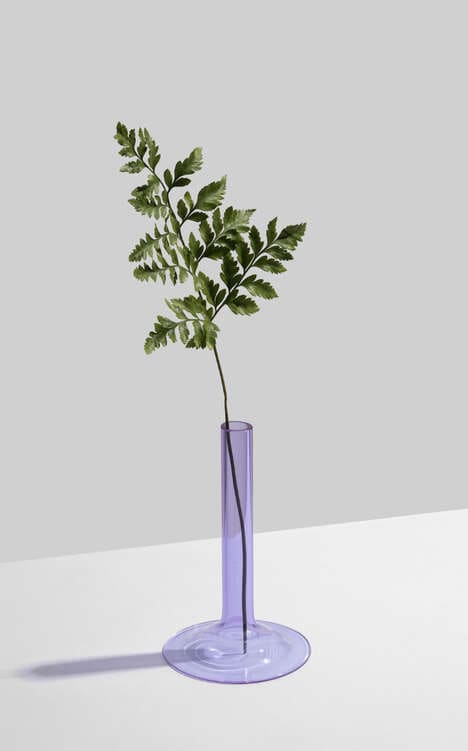
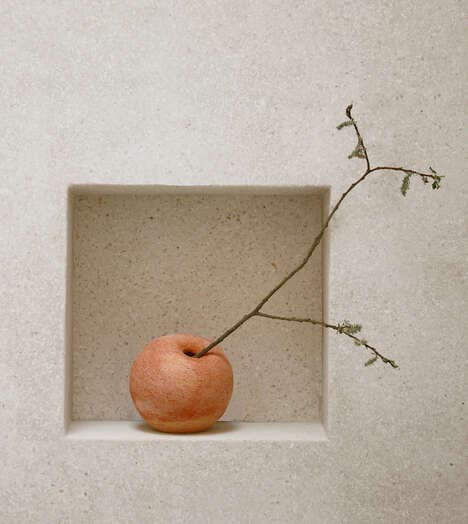
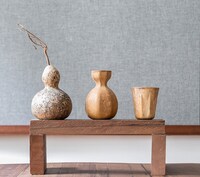
Sylvie Godel is a Swiss porcelain artist who resided in Jingdezhen, China, for her artist residency. During her time there, she noticed the surplus of bowls and plates discarded all throughout the city. As a result, she began collecting the ones she found and purchased additional plates to a new function for it. Stacking her collectibles, she was able to create plaster molds for slipcases, resulting in a series of china vases entitled 'Piles.'
The Piles collection by Godel pays a homage to the Chinese city's long tradition of producing porcelain artwork. It also gives a nod to the bowl as an ancient object that goes back to the very beginning of civilization itself.
Image Credit: Christiane Nill
What's Driving This Trend
- Upcycled Artwork
- Using discarded bowls and plates to create plaster molds for slipcases presents an opportunity for artists to explore the concept of upcycled art.
- Sustainable Design
- Repurposing surplus ceramics to make vases promotes sustainable design by reducing waste and giving new life to discarded objects.
- Cultural Heritage
- The Piles collection pays homage to the Chinese city's porcelain artwork tradition, showcasing the trend of incorporating cultural elements into contemporary designs.
Who This Affects Most
- Art and Design
- Artists and designers can leverage the concept of bowl-stacking vases to create unique and environmentally-friendly artworks.
- Home Decor
- The use of upcycled ceramics in creating vases can cater to the growing demand for sustainable and eco-friendly home decor products.
- Ceramics Manufacturing
- Ceramics manufacturers can explore new methods of production by incorporating upcycled materials into their manufacturing processes.