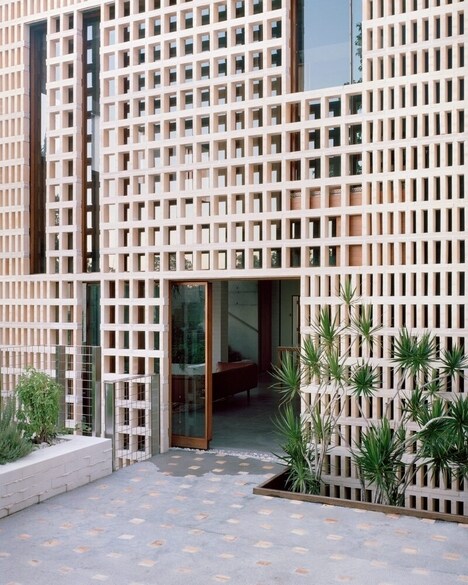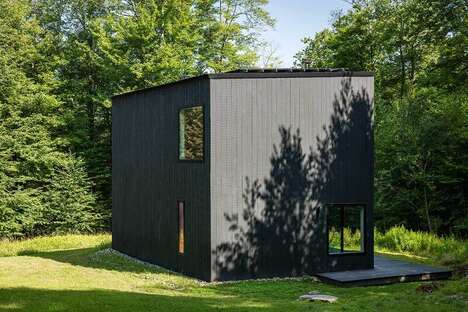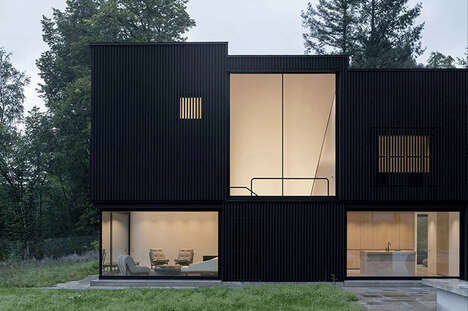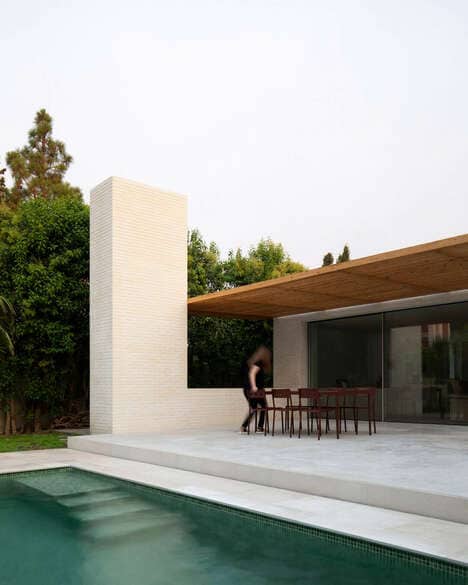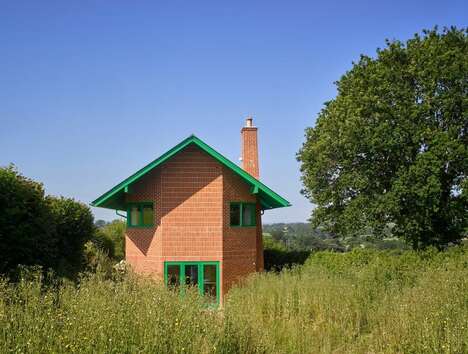
Creating a sustainable house design with a lifespan of 150 years -- with 50 years of them being maintenance-free -- the Brick House by Copenhagen-based architecture office Leth & Gori is stunning and smart.
Located in Nyborg, Denmark, this sustainable house design uses exposed clay blocks and raw plywood to make sure the home stays maintenance-free, looks uniquely different and, most importantly, reduces CO2 footprints. As part of a sustainability initiative by philanthropic organization Realdania, the Brick House is inspired by historic houses and their old-school solutions to keep homes in good shape -- which the architects then gave a contemporary twist to.
"We wanted to simplify the construction and use a minimum of materials," says architect Uffe Leth. "The fewer joints between different materials, the better chance you have to avoid mistakes in the construction process."
Why This Trend Is Growing
- Sustainable House Designs
- Creating homes that are eco-friendly with minimal need for maintenance presents an opportunity for disruptive innovation.
- Raw Material Usage in Housing
- Using raw plywood and exposed clay blocks to reduce CO2 footprints in building homes represents an opportunity for innovation in sustainable construction materials.
- Long-lasting Maintenance-free Houses
- Designing houses with a lifespan of 150 years and 50 years of maintenance-free living provides an opportunity for innovative housing solutions.
Industries Being Reshaped
- Architecture
- Architects can leverage sustainable designs to create structures using raw materials that are eco-friendly and maintenance-free.
- Construction
- Opportunities to innovate in sustainable construction materials and techniques exist if buildings can be built with less maintenance.
- Real Estate
- Providing housing solutions with minimal maintenance will create new opportunities for innovation in the real estate market.