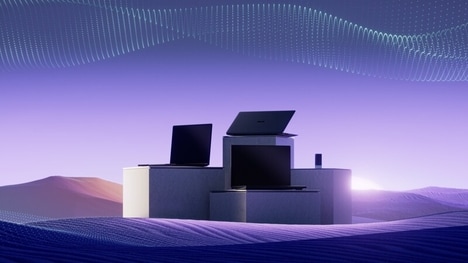
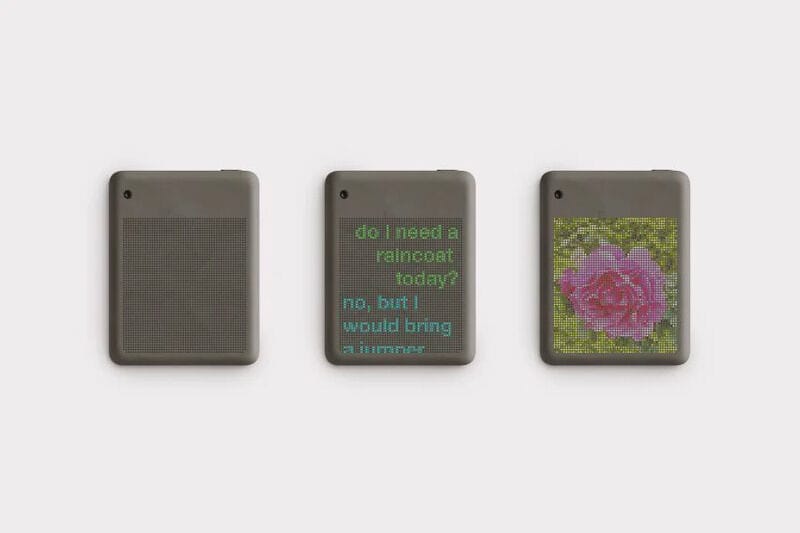
For Dezeen's Design You Can Feel exhibition in London, Future Facility created a conceptual AI device for ASUS called SUSA that inspires a calm, well-balanced relationship with technology. SUSA can perform many of the functions of a smartphone, tablet or portable computer with a key difference being how it quiets potential distractions from entertainment and social media. SUSA does this by placing its screen behind a tactile perforated surface, and in doing so, a user's focus shifts from the screen to the physical object itself.
SUSA's case is wholly made from Ceraluminum, a proprietary material developed by ASUS for its Zenbook laptops, which delivers the lightness of aluminum with the durability of ceramics. "These material qualities bring about a calmness that is less stimulating than glass or anodised surfaces," says Future Facility's Kim Colin.
What Makes This Trend Stand Out
- Screen-less Interaction
- Shifting user focus from digital screens to physical objects reduces digital distractions and fosters a more tactile technology interaction.
- Calming Tech Design
- Technologies designed with materials that induce calmness, like Ceraluminum, are evolving to create less stimulating and more serene user experiences.
- Distraction-free Devices
- Devices that intentionally limit access to social media and entertainment aim to cultivate a more mindful and focused digital environment.
Sectors Adopting This
- Consumer Electronics
- The consumer electronics industry is exploring innovative materials and designs to enhance users' well-being by reducing overstimulation.
- Mental Health Tech
- Mental health tech is leveraging design innovations that promote focus and calm, addressing the adverse effects of constant digital stimulation.
- Material Science
- Advancements in material science, such as the development of Ceraluminum, are enabling the creation of tech devices that combine durability with a soothing aesthetic.