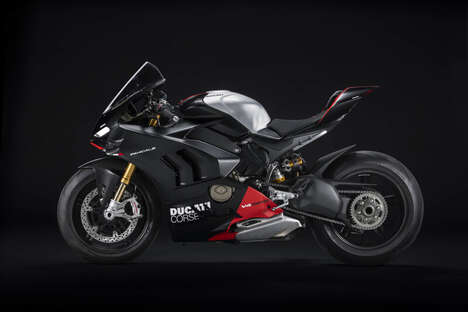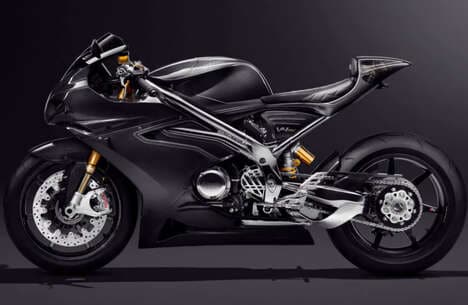
It's no mean feat to create an impressive line of racing-focused superbikes considering the high competitiveness of this segment, which is why Suzuki is garnering huge amounts of attention for its extraordinary GSX-R1000, a motorbike that is designed with dominant first-place finishes in mind.
The Yamaha GSX-R1000 superbikes are equipped with four-cylinder engines that are capable of pumping out 202 horsepower in conjunction with 86.7 pound-feet of torque. The highlight of the system is a variable valve timing mechanism that optimizes the number of revolutions per minute without compromising on different modes of performance. As an added bonus, this system doesn't take up a whole lot of room and so doesn't hold the motorbike back in any way.
Clearly a product of the very latest competitive motorbike technology and design, the Yamaha GSX-R1000 is a monstrous superbike that is designed to leave the competition in the dust.
What's Driving This Trend
- Extreme Racing Superbikes
- Manufacturers have an opportunity to further develop racing-focused superbikes that are specifically designed to dominate in high-pressure competitive environments.
- Innovative Engine Design
- There is an opportunity for engine designers to experiment with new technologies and develop efficient engines that optimize revolutions per minute and performance modes.
- Variable Valve Timing Mechanisms
- Manufacturers could explore the use of VVT systems that optimize engine performance while requiring less space, leading to motorbikes with better overall handling and performance capabilities.
Who This Affects Most
- Motorcycle Manufacturing
- There is a growing demand for high-performance superbikes, resulting in a significant opportunity for manufacturers to explore alternative materials and manufacturing processes to produce light-weight motorbikes.
- Motorsports
- The introduction of faster, high-performance superbikes in competitive motorsport could lead to new innovations and advancements in motorsports technology.
- Automotive Engineering
- Automotive engineers can further explore the use of variable valve timing mechanisms in other applications, leading to more efficient and high-performance engines in cars and other vehicles.