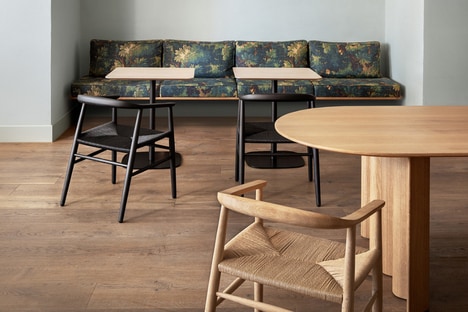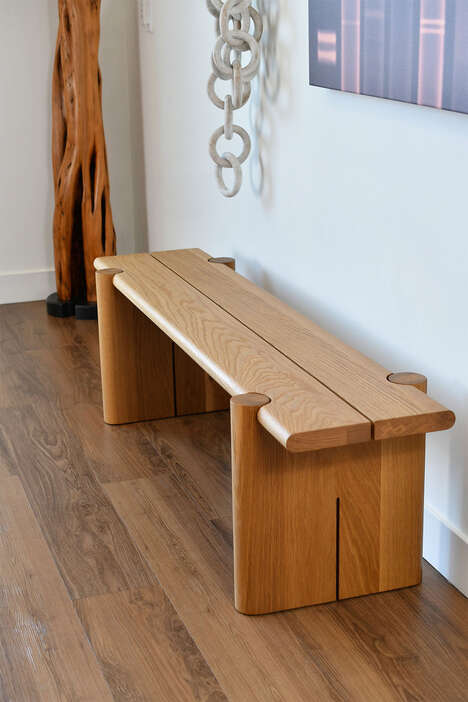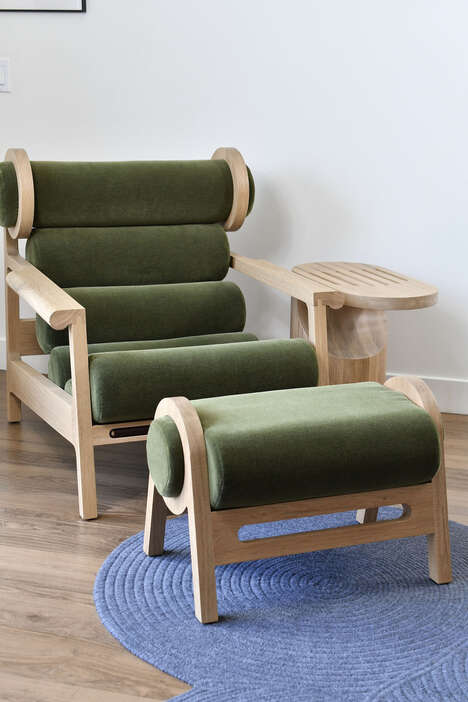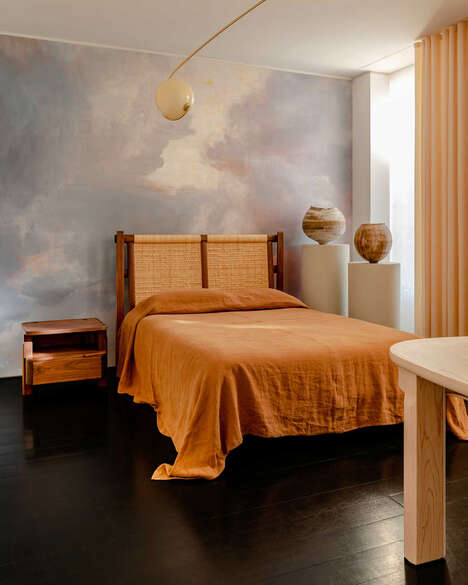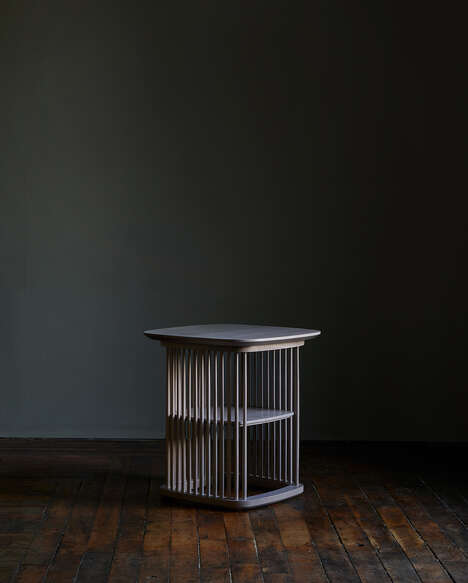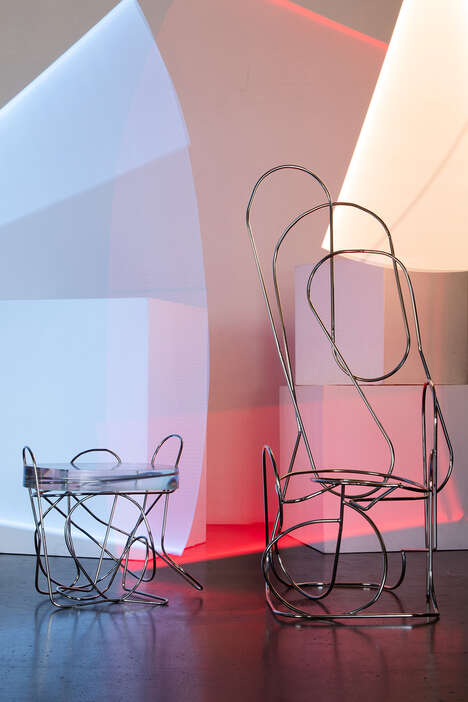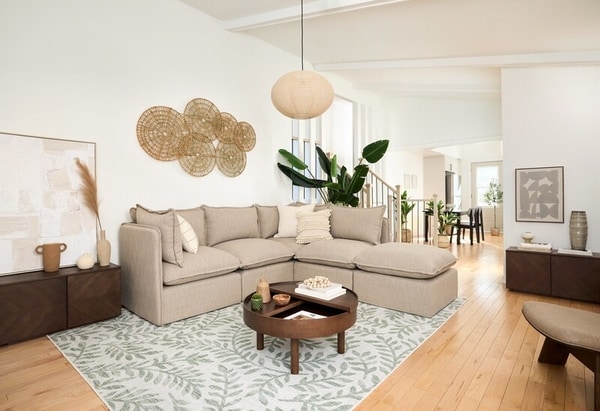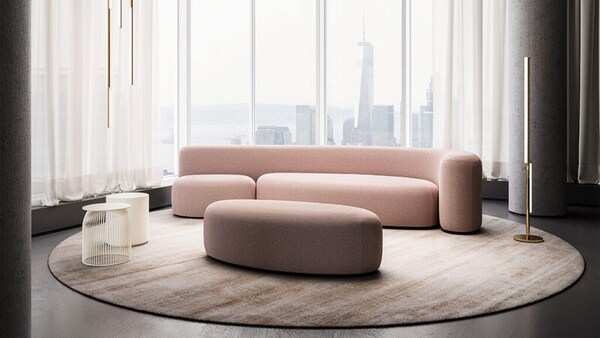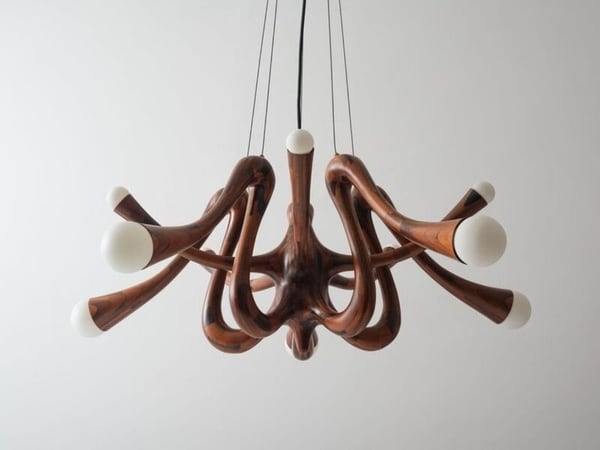
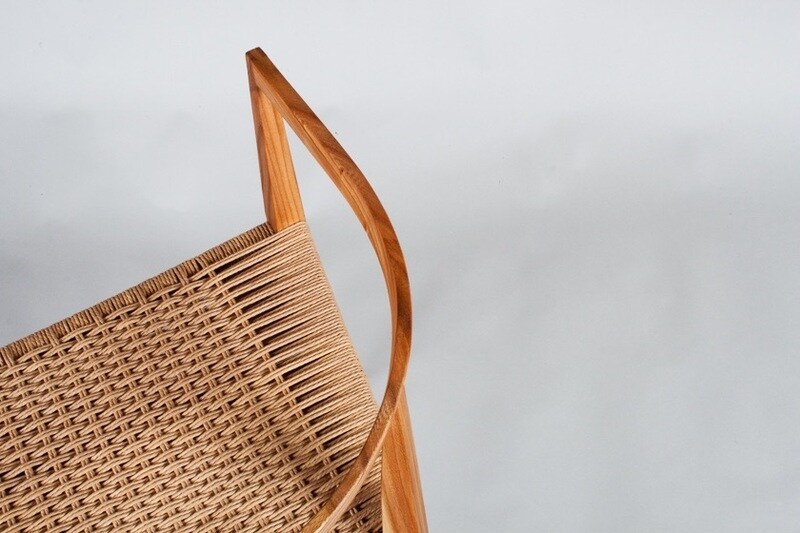
Studio Lehn represents a thoughtful convergence of traditional craftsmanship and contemporary design philosophy. Founded by Juro Lehmann in 2024, the studio operates at the intersection of furniture design, interior architecture, and conceptual planning. The practice has captured attention for its prioritization of material integrity, contextual sensitivity, and structural clarity over fleeting trends.
Lehmann’s hands-on background — which was shaped by early experiences in his grandfather’s workshop and later refined during academic training at Burg Giebichenstein — informs a distinctive methodology of Studio Lehn where designs often originate through physical experimentation in the workshop before digital refinement. This approach ensures that each project, whether a standalone product or a custom interior, embodies a 'minimally invasive' ethos. In doing so, Studio Lehn emphasizes necessity, efficiency, and harmony between form and function within the furniture industry.
Image Credit: Studio Lehn
What Makes This Trend Stand Out
- Craftsmanship-driven Design
- A resurgence of craftsmanship-focused design practices highlights the potential for innovation through artisanal techniques and material authenticity.
- Contextual Sensitivity in Furniture
- Furniture designs prioritize environmental and cultural context, paving the way for regionally adaptive products that resonate with local consumers.
- Hands-on Prototyping Integration
- Integrating hands-on prototyping in design processes bridges the gap between traditional craftsmanship and digital refinement, offering fresh avenues for product development.
- Minimally Invasive Interiors
- The concept of minimally invasive design encourages creating spaces that emphasize necessity and efficiency, aligning with sustainable and clutter-free living trends.
Sectors Adopting This
- Furniture Design
- Innovation in furniture design derives from blending traditional craftsmanship with contemporary aesthetic principles, resulting in pieces that balance form and function.
- Interior Architecture
- The interior architecture industry benefits from contextual and minimalist approaches, leading to spaces that reflect cultural nuances and consumer lifestyles.
- Material Innovation
- An emphasis on material integrity opens opportunities within material innovation, challenging industries to develop sustainable, durable, and aesthetically pleasing solutions.