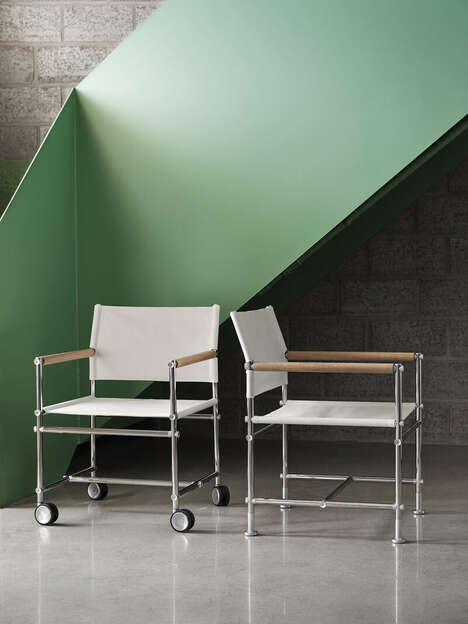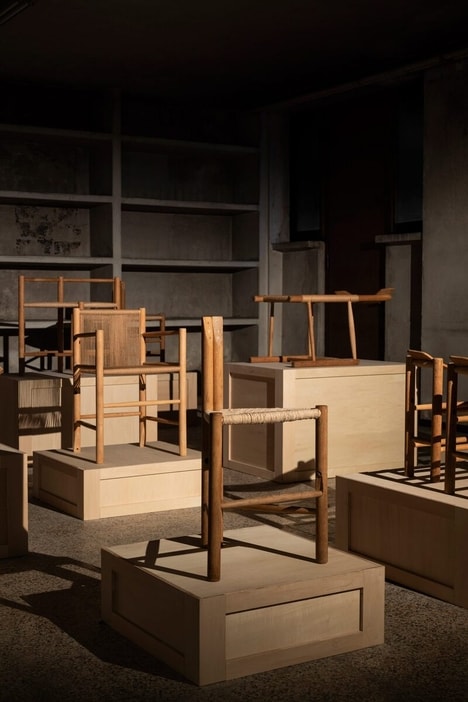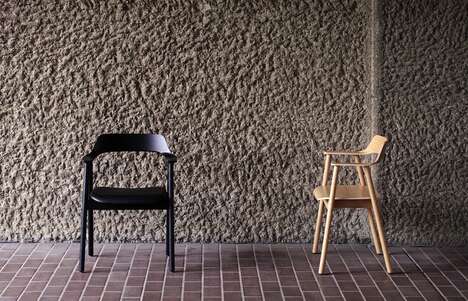
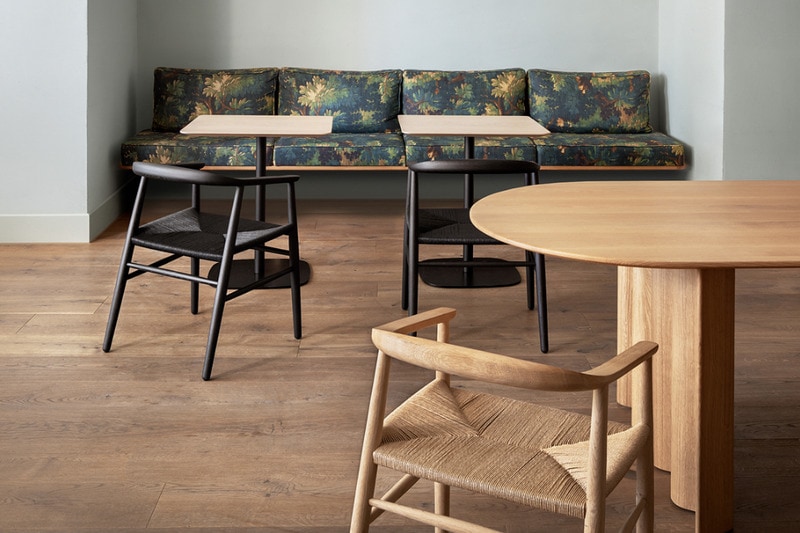
ZEITRAUM's exhibition at 3daysofdesign 2025 presented a compelling exploration of sustainable design through a lens that values both material authenticity and enduring craftsmanship. Titled 'Keep it real and still embrace the unseen,' the showcase challenged conventional perceptions of sustainability by highlighting how longevity and tactile quality often outweigh purely visual appeal. Set within the historic Odd Fellow Palace, the installation juxtaposed contemporary furniture against an architectural backdrop, using textile elements to create spatial depth and invite contemplation.
Central to the exhibition were two new designs that embody ZEITRAUM’s philosophy of precision through reduction. The PELLE CORD chair, developed by Lorenz+Kaz, featured a seat woven from paper cord — a material choice that merges organic texture with structural integrity. This piece exemplified how natural fibers can redefine comfort while maintaining minimalist elegance. Similarly, the TURNTABLE HIGH table revisited archetypal forms with refined execution, demonstrating how simplicity in design can yield timeless functionality. Both pieces underscored the brand’s commitment to materials that age gracefully.
Image Credit: ZEITRAUM
Key Themes Behind This Trend
- Adaptive Craftsmanship
- Reimagining traditional craftsmanship through modern design techniques, merging precision with reduced form, can create products with lasting value and sustainability.
- Organic Material Innovation
- Utilizing natural fibers like paper cord to innovate organic textures offers a sustainable alternative to synthetic materials in furniture design.
- Longevity-focused Design
- Designing products with an emphasis on enduring quality and longevity challenges the norm of ephemeral consumer goods, aligning with eco-conscious values.
Where This Applies
- Sustainable Furniture
- Furniture that leverages eco-friendly materials and craftsmanship offers a competitive edge in the growing market for sustainable home goods.
- Eco-conscious Textiles
- Crafting innovative textiles from sustainable sources positions companies to capitalize on demand from environmentally and ethically aware consumers.
- Heritage Craft Revival
- The revival of traditional craft methods within modern design frameworks provides unique opportunities for differentiation in a globalized market.