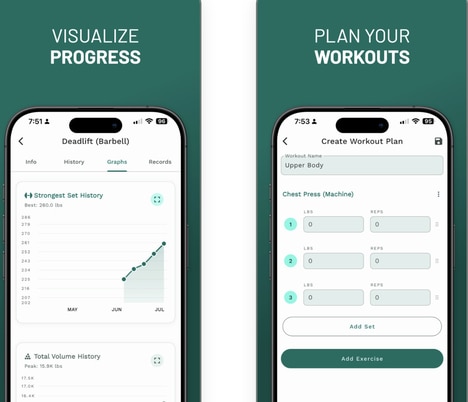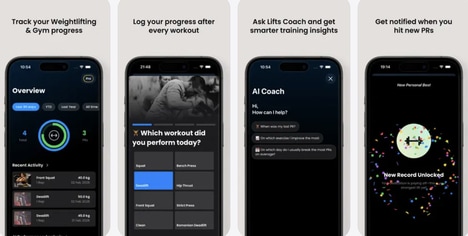
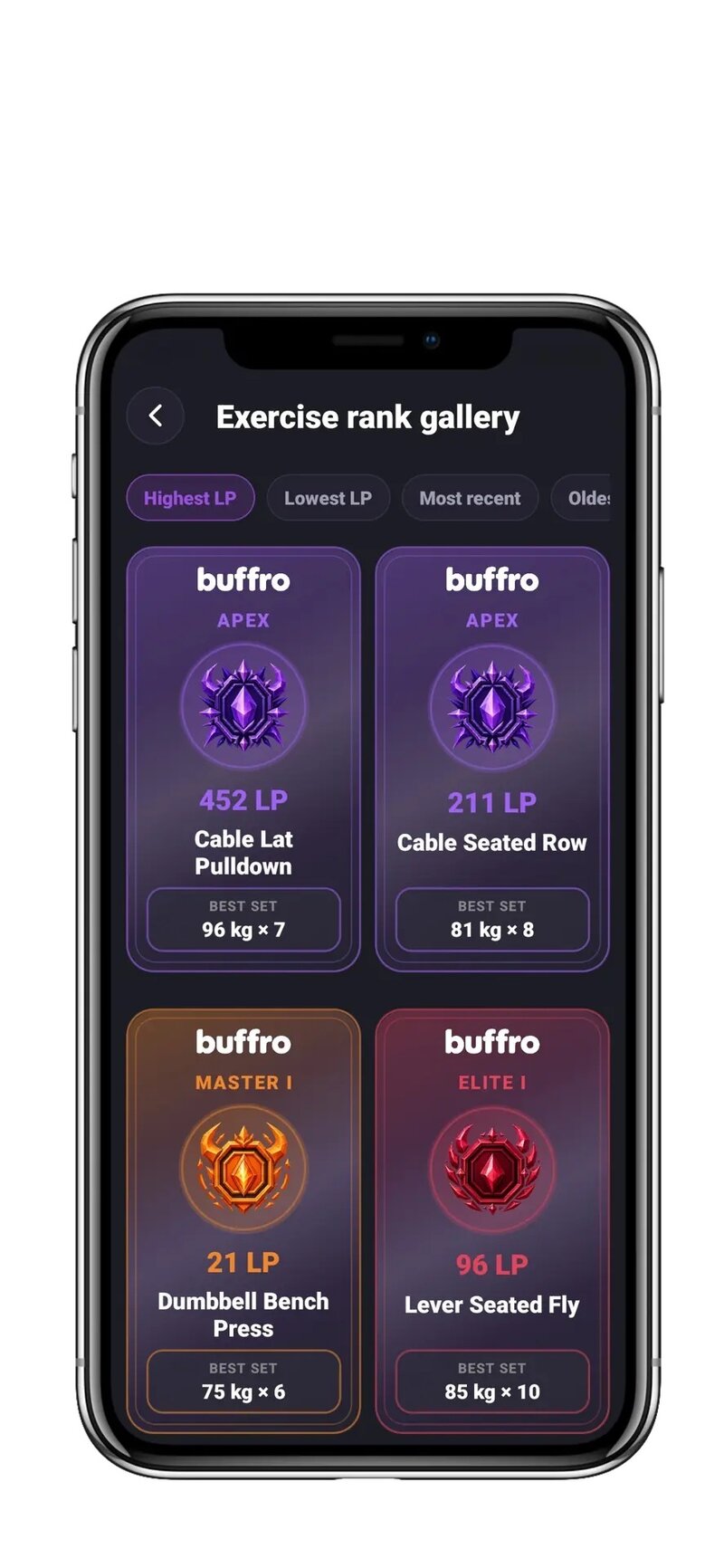
Buffro, an offline-first workout tracker available for iOS and Android, has published a comprehensive public methodology explaining how its Strength Ranks feature evaluates performance across 1,102 exercise records. This venture provides unprecedented transparency into the nine progression tiers, four distinct calculation branches, and explicit exclusions that determine how users are scored.
The Strength Ranks methodology documents that of the total exercise records in the underlying source, 997 movements are rankable, while the system deliberately excludes 26 time-based movements, 65 trivial-repetition movements, and 14 unsupported movement types to prevent assigning strength scores from inputs that would produce misleading or unreliable results. Fitness enthusiasts and athletes who use workout trackers would find significant value in this publication because it demystifies the scoring process.
Image Credit: Buffro
Key Themes Behind This Trend
- Transparent Fitness Scoring
- Publicly documented performance formulas create room for trust-based fitness platforms that differentiate through explainable rankings and reduced algorithmic ambiguity.
- Offline-first Tracking
- Workout tools designed for low-connectivity use reflect demand for resilient health apps that preserve functionality, privacy, and consistency outside cloud-dependent ecosystems.
- Validated Exercise Classification
- Selective exclusion of unreliable movement types signals potential for more accurate training analytics built around data quality standards rather than broad but misleading coverage.
Where This Applies
- Fitness Technology
- Algorithm transparency in workout apps can reshape competitive positioning by making performance benchmarking more credible for athletes and everyday users.
- Sports Analytics
- Detailed progression tiers and exercise-specific calculations highlight opportunities for standardized strength intelligence across coaching, assessment, and talent development systems.
- Digital Health
- Explainable user scoring supports a broader shift toward accountable wellness platforms where measurement reliability becomes central to engagement and clinical-adjacent trust.