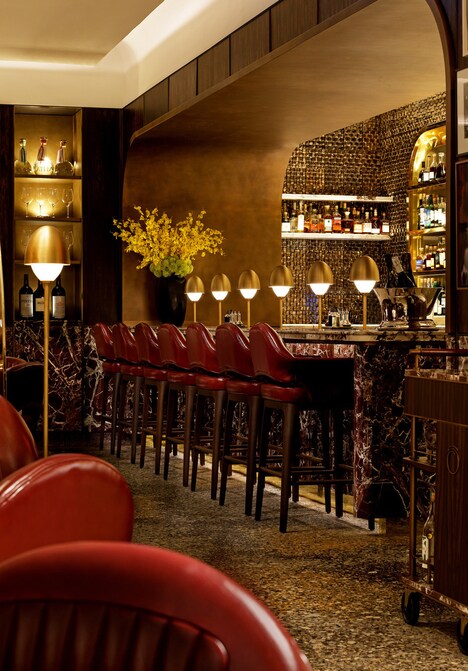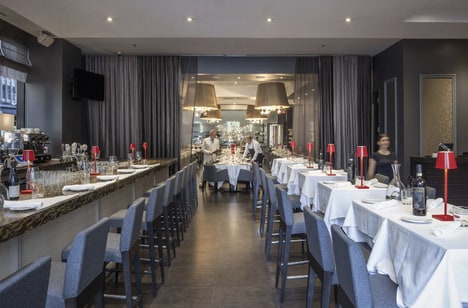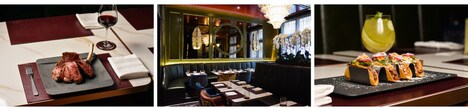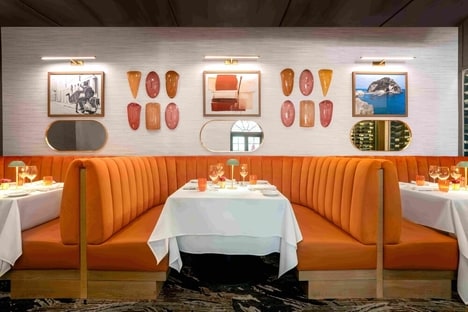
Strella Strella — the reimagined Italian dining destination set to open this fall in Toronto's Financial District — represents a significant evolution from its predecessor Modus Ristorante. For this dining project, veteran restaurateur Sam Genkov collaborates with his daughter Victoria Genkov to create a contemporary concept that bridges generational hospitality expertise with modern dining expectations.
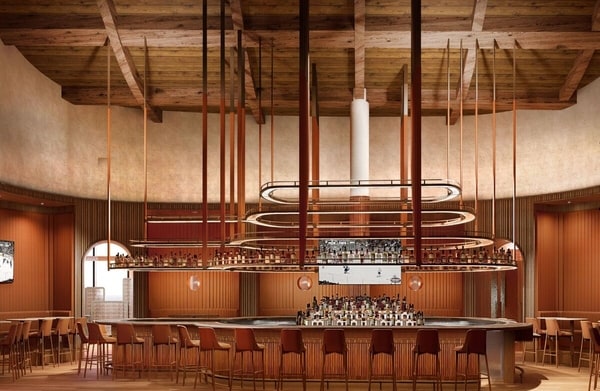
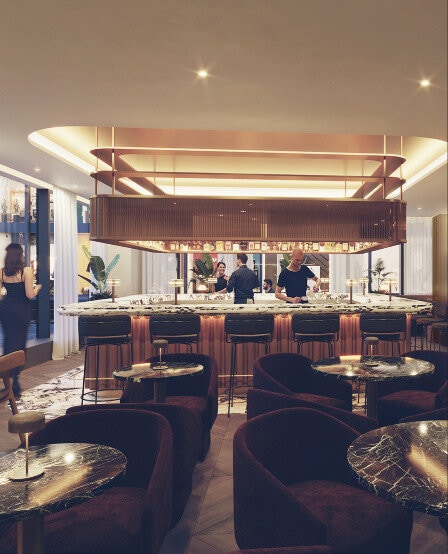
Strella Strella carries forward the beloved legacy of Modus, which operated for nearly 15 years as a neighbourhood institution known for its signature spaghetti and meatballs and warm, service-driven approach. The rebranding introduces a renewed vision that emphasizes shareable plates, modern interpretations of Italian classics, and a more immersive, experience-led hospitality style. Strella Strella also boasts a signature Martini Bar featuring a roaming cocktail cart that moves through the dining room and prepares drinks at tableside.
Image Credit: Strella Strella
Why This Trend Is Growing
- Generational Hospitality Rebrands
- Family-led restaurant reinventions blend legacy credibility with contemporary positioning, creating space for concepts that appeal to both loyal patrons and younger dining audiences.
- Tableside Cocktail Theater
- Mobile cocktail carts and in-room drink preparation transform beverage service into an experiential focal point with strong social and premiumization potential.
- Modern Italian Sharing Menus
- Shareable reinterpretations of classic Italian dishes reflect shifting preferences toward communal dining formats that balance familiarity with novelty.
Industries Being Reshaped
- Restaurant Hospitality
- Established dining venues can refresh long-standing brands through immersive service models and updated culinary formats without abandoning local recognition.
- Premium Beverage Service
- Cocktail programs centered on performance, personalization, and tableside interaction signal new revenue opportunities within upscale dining environments.
- Urban Dining Real Estate
- Financial district restaurant concepts increasingly rely on distinctive experiences to differentiate themselves in competitive business and after-work dining markets.