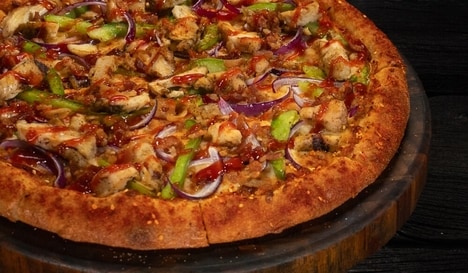

Regional authenticity dining is becoming increasingly important as restaurant chains recreate localized culinary experiences for national audiences. Marco’s Pizza recently introduced a New York–style pizza inspired by traditional NYC pizzerias, featuring oversized foldable slices, thin hand-stretched dough, crushed tomato sauce and deli-style pepperoni. The company’s culinary team reportedly conducted extensive research into regional pizza-making techniques, including ingredient testing and direct learning experiences with New York pizza experts. By emphasizing craftsmanship and recognizable regional characteristics, the brand is positioning the product as an authentic-style dining experience rather than simply another limited-time menu item.
The launch reflects growing consumer interest in familiar comfort foods that also feel culturally rooted and experience-driven. Authenticity-focused QSR menus may help restaurant chains differentiate themselves in increasingly competitive fast-casual markets where consumers expect higher-quality ingredients and more specialized offerings. Regionally inspired menu development could also encourage stronger customer engagement by transforming everyday dining into a more immersive and recognizable food experience.
Image Credit: Marco's Pizza
Key Themes Behind This Trend
- Regional Authenticity Dining
- Consumers showing preference for genuinely localized recipes and techniques creates potential for standardized systems that replicate regional culinary identities across broad restaurant networks.
- Experience-driven Comfort Food
- A renewed demand for familiar dishes presented with culturally rooted storytelling and sensory cues points to opportunities for immersive menu experiences that blur dining and destination.
- Ingredient-centric Menu Development
- Heightened focus on specific ingredient profiles and artisanal preparation methods suggests room for specialized supply chains and product lines tailored to replicate regional flavors at scale.
Where This Applies
- Fast-casual Restaurant Chains
- National chains adapting modular kitchen designs and standardized training to deliver localized menu variants could reshape competitive positioning in value-driven markets.
- Food Supply and Sourcing
- Smaller-batch sourcing networks and certified regional suppliers appear well placed to support consistent delivery of distinctive ingredients demanded by authenticity-focused menus.
- Culinary Education and Training
- Specialized training programs and expert-led apprenticeships that codify regional techniques may enable scalable culinary skill transfer across dispersed restaurant operations.