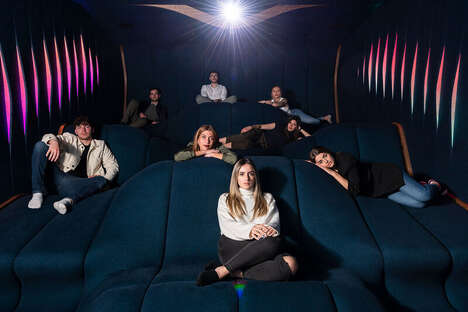
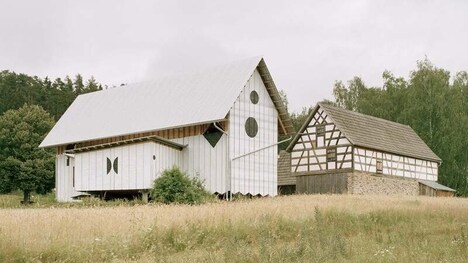
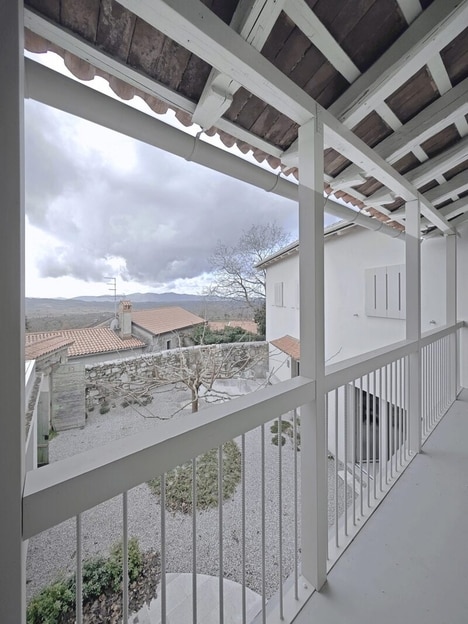
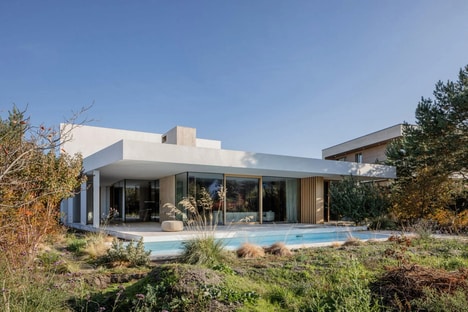
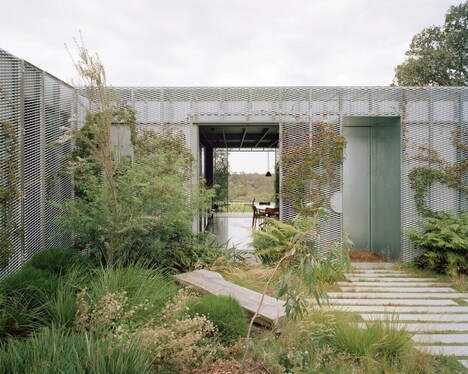
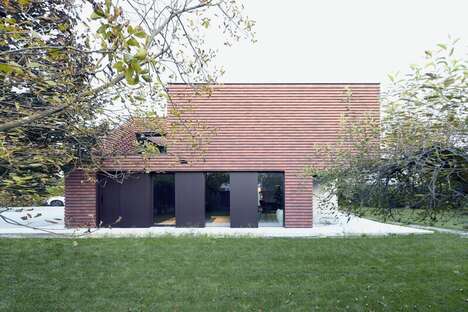
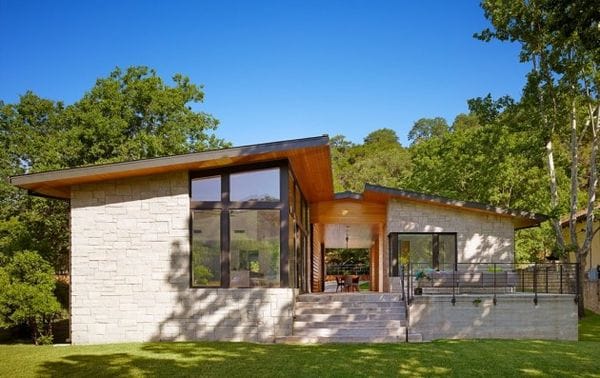
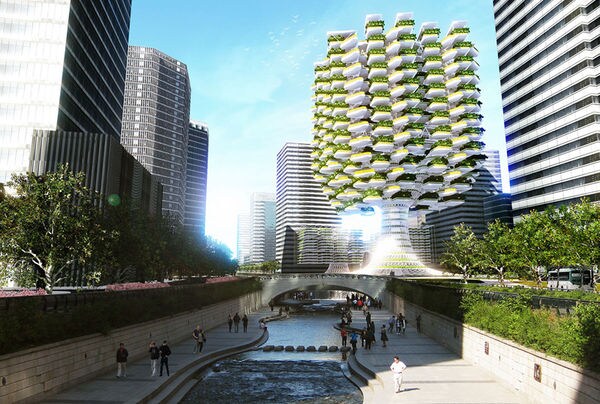
Eisenstein’s Story-Board Summerhouse takes inspiration from an unlikely place: film theory. The design was done by Metris Architecture using Eisenstein's idea of montage editing.
When applying this style to building, the goal is to have viewers see each area of the house as a series of different clips, like one does when watching a video. "The form twists and turns, dancing along a main axis, guiding the user’s eye as it moves between planes, floors, and ceilings, like a camera shifting towards views of the basin’s flowing water and the waves of the calm sea," according to DesignBoom.
Using film theory as a basis for architecture is certainly something new, but it works well with how Metris has approached this design.
Photo Credits: designboom, metris.gr
Why This Trend Is Growing
- Film Theory Architecture Style
- Film theory style applied to architecture opens doors for designing architecture with a twist and allows for an innovative way of presenting spaces.
- Montage Editing-inspired Architecture
- Architects can use montage editing technique from film theory as an inspiration to create unique and visually stimulating architectural designs.
- Disruptive Architectural Design
- Applying unconventional and cross-disciplinary theories in architecture as a basis can lead to novel forms of disruptive and innovative architectural designs.
Industries Being Reshaped
- Architecture
- Architecture is ripe for innovation and utilizing unlikely sources such as film theory and montage editing could offer architects new ways to create buildings worth seeing.
- Film Production
- Using film theory as an inspiration for architecture could lead to cross-disciplinary collaboration opportunities between architecture and film production industries.
- Interior Design
- Interior designers could use film theory as an inspiration and basis to create unique and visually stimulating spaces.