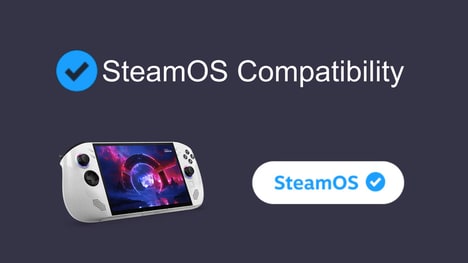
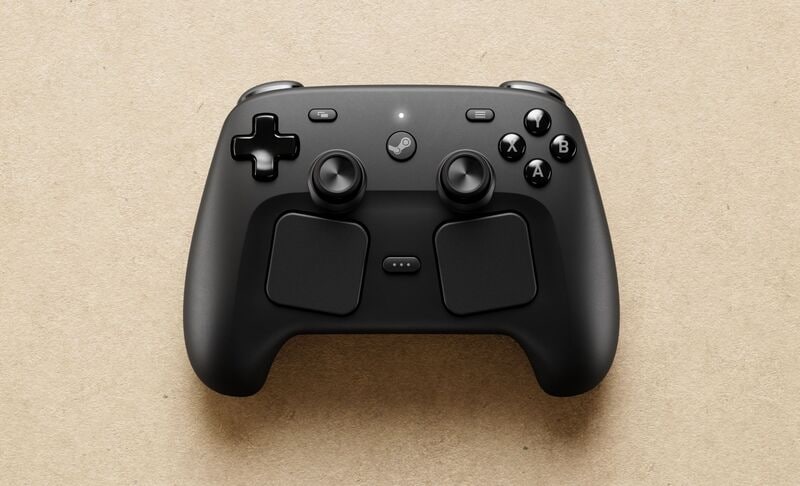
The Steam Controller 2026 is a refreshed input device from Valve designed to complement the company’s expanding Steam Hardware family and the Steam Machine launch planned for early 2026. Valve describes the hardware as part of a broader living‑room ecosystem that includes console‑style PCs and other peripherals; the controller emphasizes compatibility with SteamOS and the Steam library, and is positioned to support both traditional gamepad inputs and Steam’s customizable input mappings to accommodate a wide range of PC titles.
Valve’s public materials indicate the controller will integrate closely with Steam’s software features, such as Big Picture and Proton compatibility, to provide a unified experience for playing PC games on televisions while retaining the flexibility to run other applications. The announcement frames the device as a component of Valve’s renewed hardware lineup rather than a standalone product, with availability timed to align with the wider early‑2026 rollout of Valve’s hardware offerings.
Image Credit: Valve
What's Driving This Trend
- Living-room Gaming Ecosystems
- The integration of console-style PCs and peripherals within living-room settings signals a shift towards unified entertainment hubs.
- Customizable Input Devices
- The increasing demand for devices that support customizable inputs reflects consumer interest in personalized gaming experiences across diverse PC titles.
- Seamless Cross-platform Experiences
- Valve's focus on compatibility with SteamOS and Proton highlights a trend towards seamless cross-platform gaming experiences on television and traditional setups.
Who This Affects Most
- Home Entertainment Systems
- The drive to transform living rooms into comprehensive entertainment environments positions this industry for growth with new hardware integrations.
- Video Game Peripherals
- As the market seeks more adaptable controllers, there is potential for innovation in peripherals designed to support customizable and cross-platform usage.
- Gaming Software Development
- Software development aiming for compatibility across varied gaming ecosystems provides opportunities to enhance user experiences across multiple platforms.