In an attempt to make the internet faster, Google has released its Sqoosh tool allowing developers to squash down and reformat pictures. To accomplish this task the Sqoosh tool taps into WebAssebly as a means of quickly squashing images through a collection of codecs. While the tool could prove to be quite useful for web developers, many others will find something useful with the new Google offering.
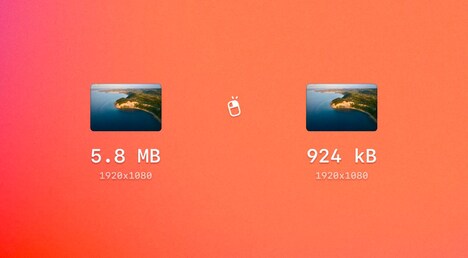
The Squoosh tool can be accessed through a lightweight website and once it is fully loaded it can work offline within the browser. The web-based tool currently supports a range of web formats, including JPG, MozJPEG, WebP and PNG. The tool will show a 1:1 visual comparison of the original and compressed image in an attempt to better illustrate the differences. The tool is also fully open-source so users can easily access and look at its code.
Why This Trend Is Growing
- Image Compression
- Developers can leverage image compression tools like Squoosh to optimize website performance by reducing image file sizes.
- Web Optimization
- Web developers can utilize tools like Squoosh to improve website loading speed and optimize user experience.
- Offline Web Applications
- Squoosh's ability to work offline within the browser opens up opportunities for the development of efficient offline web applications.
Industries Being Reshaped
- Web Development
- The Squoosh tool presents a disruptive innovation opportunity for the web development industry by offering a user-friendly solution to image compression and optimization.
- E-commerce
- E-commerce platforms can benefit from integrating image compression tools like Squoosh to enhance website performance, reduce loading times, and improve conversion rates.
- Software Development
- Software developers can explore incorporating the Squoosh technology into various software applications to optimize image processing and improve overall performance.