1. 130-word article
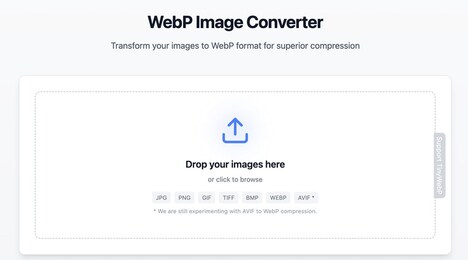
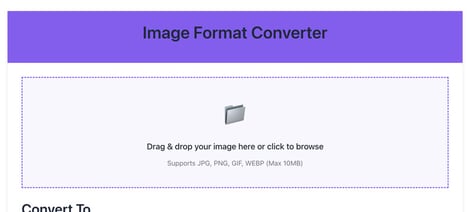
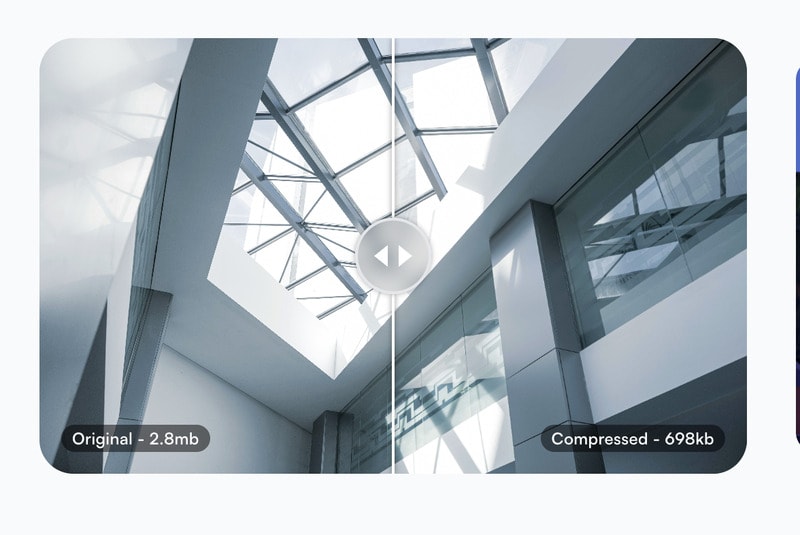
ImgFiber is a browser-based image compression tool focused on reducing file sizes without sacrificing visual quality. It performs lossless compression entirely on the user’s device, meaning images are processed locally rather than uploaded to external servers. This approach can be relevant for businesses handling sensitive assets or working under strict data governance requirements.
The tool is designed to support common image optimization needs such as faster page loads, lower storage costs, and improved performance across digital products. By operating without file size limits and requiring no installation, ImgFiber fits easily into existing workflows for designers, developers, and content teams. Its emphasis on client-side processing also reduces dependency on cloud infrastructure. Overall, ImgFiber represents a lightweight utility for teams seeking efficient image optimization while maintaining control over data handling and operational simplicity.
Image Credit: ImgFiber
What Makes This Trend Stand Out
- Client-side Image Processing
- Edge-native compression capabilities enable bandwidth savings and offline-first workflows by shifting compute from cloud servers to users’ devices.
- Lossless Compression Adoption
- Wider use of byte-for-byte preserving algorithms reduces storage and delivery costs while maintaining brand visual fidelity across platforms.
- Privacy-first Optimization Tools
- Local-only processing models decrease exposure of sensitive visual assets and align with stricter data governance and compliance requirements.
Sectors Adopting This
- Web Development
- Integrating in-browser compression can improve page load performance metrics and lower CDN costs for high-traffic sites.
- Digital Asset Management
- On-device optimization offers opportunities to streamline storage tiers and preserve original-quality archives without centralizing assets.
- Healthcare Information Technology
- Local processing of medical imagery minimizes risk of PHI exposure and supports regulatory-compliant imaging workflows.