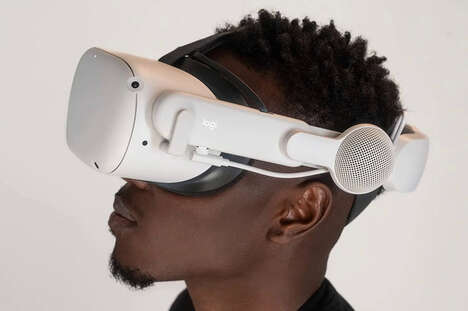
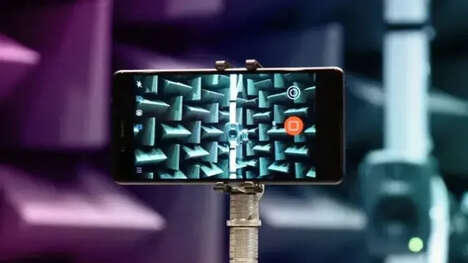
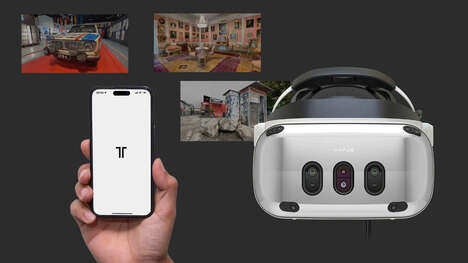
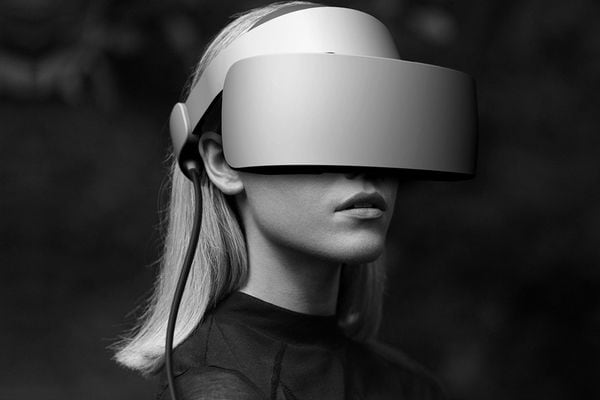
Researchers at Stanford have created a new and better way to produce sound models for VR. The new system uses an algorithm that is able to calculate 3D sound models within a time frame of mere seconds. Developing the new system involved leaving the conventional approach that was implemented to calculate sound propagation. As an alternative, the new system is able to split a sound into different chords, performing a soundwave simulation for the chords. The system then computes a series of acoustic transfer calculations by using a single cube map.
The new sound models can now be created exponentially faster than previous processes. This results in sound for VR which is much more accurate and easier to produce.
Image Credit: Stanford
Key Themes Behind This Trend
- Faster Sound Modeling
- The development of a faster algorithm for calculating 3D sound models in VR presents opportunities for disruptive innovation in sound design and immersive experiences.
- Improved Accuracy
- The use of the new system to create more accurate sound models in VR opens up possibilities for disruptive innovation in virtual reality gaming and simulation industries.
- Streamlined Production
- The exponential increase in speed for creating sound models in VR allows for disruptive innovation in the production of virtual reality content and applications.
Where This Applies
- Sound Design
- The faster and more accurate sound modeling algorithm provides opportunities for disruptive innovation in the sound design industry, enabling more immersive experiences across various media.
- Virtual Reality Gaming
- The improved accuracy of sound models in VR can lead to disruptive innovation in virtual reality gaming, enhancing gameplay experiences with realistic and dynamic audio.
- Simulation Industries
- The streamlined production of sound models in VR opens up disruptive innovation opportunities for simulation industries, including training, education, and virtual prototyping.