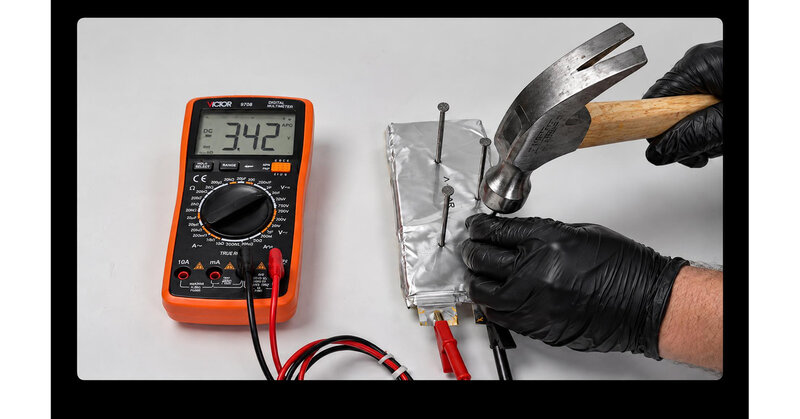
Appear has started preproduction of its solid-state battery cells with a manufacturing partner, moving the technology toward commercial use in electric two-wheelers. The San Francisco developer has already completed field testing across three vehicle types, including motorcycles and e-bikes. Its cells replace the liquid electrolyte in lithium-ion packs with a solid material.
That battery design is intended to reduce leak and fire risks while storing more energy in a smaller, lighter cell. Appear has also completed manufacturing trials and expanded its launch network with distributors and regional partners in selected mature and developing markets. Limited output remains scheduled for mid-2027, followed by a broader production ramp in 2028.
Mid-2027 availability turns Appear’s batteries into a sourcing option for vehicle makers instead of a laboratory exercise. Removing the liquid electrolyte shifts the value proposition toward safety and weight as much as range, especially in compact electric mobility.
Image Credit: Appear Inc
What's Driving This Trend
- Solid-state Mobility Batteries
- Safer, lighter energy storage creates room for compact electric vehicle designs that prioritize urban range, thermal stability, and reduced fire risk.
- Electric Two-wheeler Electrification
- Motorcycles, scooters, and e-bikes gain new performance potential as higher-density cells support smaller packs without sacrificing usability.
- Preproduction Battery Commercialization
- Battery startups moving from field testing to limited manufacturing signal a shift toward supplier-ready technologies for emerging vehicle platforms.
Who This Affects Most
- Electric Vehicles
- Compact mobility manufacturers can benefit from battery formats that improve safety, reduce weight, and support differentiated product architectures.
- Battery Manufacturing
- Solid electrolyte production introduces opportunities for new materials, assembly processes, and regional supply partnerships beyond conventional lithium-ion systems.
- Urban Mobility
- Dense city transportation markets are positioned to adopt lighter electric two-wheelers that address safety concerns and charging efficiency needs.