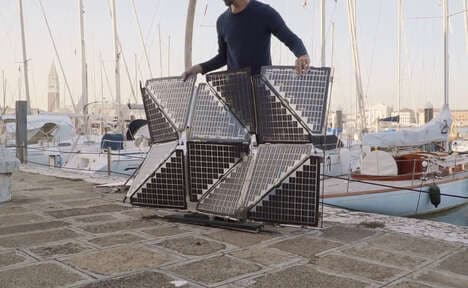
Last fall, the Australian government announced that it would be helping fund a startup called Solafast and a high-tech printing company firm Norwood in the joint effort to create printed solar cells. If the partnership is successful, solar energy may soon be light enough and flexible enough to incorporate into everything from windows to smartphone cases.
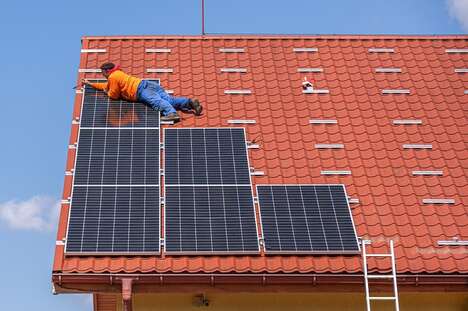
With assistance of the Commonwealth Scientific and Industrial Research Organization, Solafast and Norwood are working on a way to print solar inks onto plastic film. According to Industry, Innovation and Science Minister Greg Hunt, the goal of making printed solar cells is to "create an environmentally responsible building material that doesn’t compromise architectural integrity." The flexible cells would also allow solar panels to be integrated with other products such as windows and roofs without the structural burden of heavy panels.
With Australia already heavily invested in the use of solar energy, the new project could allow for widespread adoption of the renewable energy source in the commercial sector.
What Makes This Trend Stand Out
- Printed Solar Cells
- Printing solar inks onto plastic film enables lightweight and flexible solar energy incorporation into various products.
- Environmentally Responsible Building Materials
- Creating printed solar cells as a building material without compromising architectural integrity supports sustainable construction practices.
- Integration of Solar Energy with Consumer Products
- Flexible solar cells facilitate the integration of solar panels into windows, rooftops, and other consumer products.
Sectors Adopting This
- Solar Energy
- The development of printed solar cells expands opportunities for the solar energy industry to provide lightweight and versatile solutions.
- Printing Technology
- The advancement of printing solar inks on plastic film requires innovation within the printing technology industry.
- Construction
- The integration of printed solar cells as building materials disrupts traditional construction practices and offers new opportunities in the construction industry.