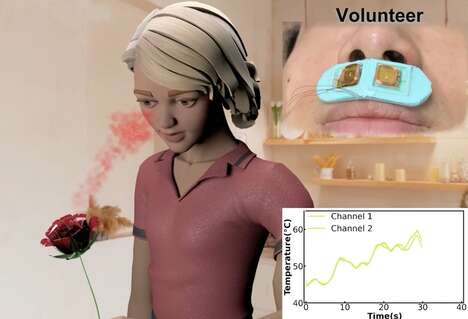
Researchers at Queen's University Belfast have developed a smart perfume delivery system that releases more aroma the more a person sweats. The system doesn't merely mask unpleasant odors, it actually neutralizes them by attracting odor-causing compounds.
The system involves placing a raw fragrance onto an odorless ionic liquid. When the resulting liquid comes into contact with moisture, it releases its aroma by discharging more of the perfume scent.
This news will surely be welcomed by gym custodians and subway users alike, and is a great example of how science can be used to solve everyday problems that most people assume they have no other choice but to live with. The personal care and cosmetic market will surely take note, and if this system works as well as claimed, it could revolutionize the perfume industry.
What Makes This Trend Stand Out
- Sweat-detecting Perfumes
- The development of sweat-detecting perfumes have brought about a new opportunity for personalized fragrances based on individual sweat levels.
- Odor-absorbing Technology
- The use of ionic liquids to absorb and neutralize odor-causing compounds presents opportunities for air fresheners, deodorizers, and other odor-absorbing products.
- Smart Personal Care Solutions
- The creation of smart perfume delivery systems indicate the growing trend of personalized, technologically advanced self-care products.
Sectors Adopting This
- Personal Care
- The personal care industry can integrate this technology to create new and innovative products like sweat-detecting deodorants and anti-perspirants.
- Cosmetics
- Cosmetics companies can utilize odor-absorbing technology in their products to enhance fragrances and mask unpleasant odors.
- Air Care
- Air freshener and deodorizer companies can incorporate this technology to create more efficient and effective odor-absorbing products.