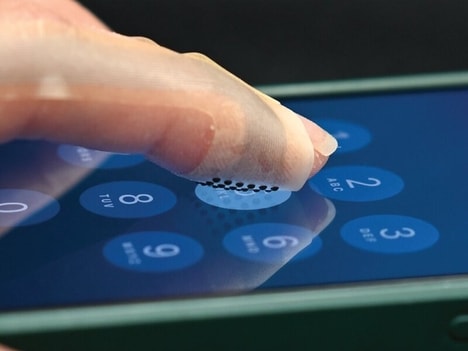
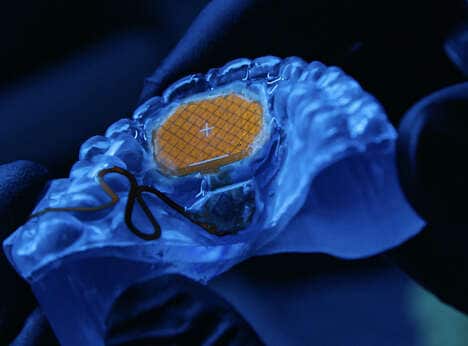
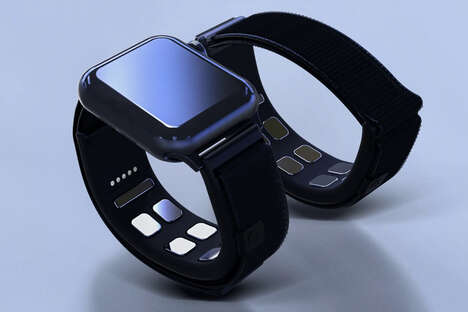
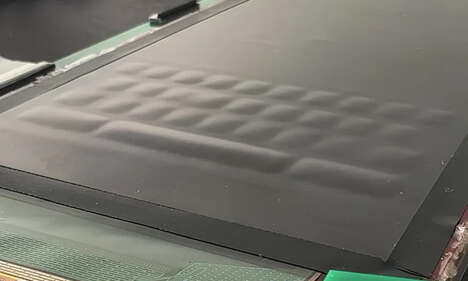
'Skin-On Interfaces' is a material that mimics human skin, which can be used as a smartphone case that can communicate with a device. The technology was developed in Bristol UK, by Marc Teyssier, Gilles Baily and others.
The skin-like exterior translates human interactions to control a device. This means that different interactions could be paired with a command, for example, a twisting motion could be used to turn up the volume of the device. Because the system uses grid sensors, many different multisensory factors could be implemented as a means of control.
Skin-On Interfaces uses silicon to mimic the behavior of human skin, offering users a drastically different way for users to interact with technology.
Image Credit: Marc Teyssier
Why This Trend Is Growing
- Mimicry Materials
- The development of materials, such as Skin-On Interfaces, that mimic human skin, provides disruptive innovation opportunities for creating more intuitive and interactive device controls.
- Gesture-based Interfaces
- The translation of human gestures into device commands, as showcased by the Skin-On Interfaces, opens up disruptive innovation opportunities for more natural and immersive user experiences.
- Multisensory Control
- The use of Skin-On Interfaces' grid sensors to implement various multisensory factors for device control presents disruptive innovation opportunities for creating enhanced, personalized user interactions.
Industries Being Reshaped
- Smartphone and Mobile Device Accessories
- The development of silicone-based materials like Skin-On Interfaces in the smartphone case industry offers disruptive innovation opportunities for creating unique and interactive device controls.
- Consumer Electronics
- The integration of gesture-based human interfaces in consumer electronic devices, facilitated by technologies like Skin-On Interfaces, presents disruptive innovation opportunities for improving user experiences and device functionality.
- Haptic Technology
- The application of Skin-On Interfaces' silicon-based mimicry of human skin in the field of haptic technology holds disruptive innovation opportunities for advancing tactile feedback systems in various industries, such as gaming and virtual reality.