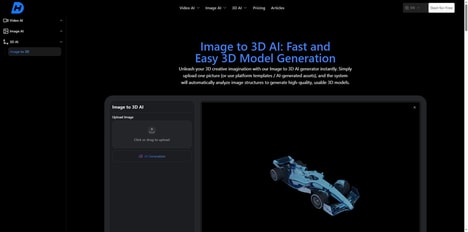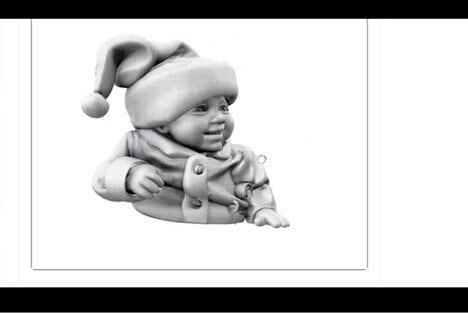
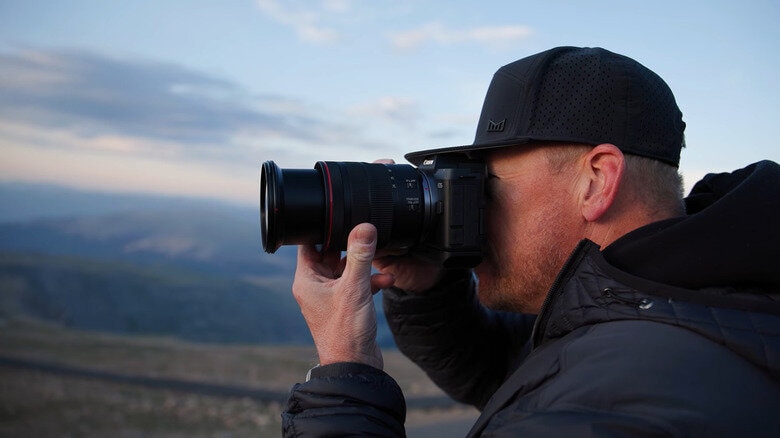
Canon's Dual Pixel 3D Converter app turns still images into 3D pictures and models without dedicated capture gear. Released in October 2026, the free download is available from Canon's website for photographers using compatible EOS R cameras and RF lenses, pulling depth from a single shot.
The app relies on Dual Pixel CMOS AF, a sensor design with two photodiodes in each pixel that can be read separately for depth. It runs only on Windows 11 from the 2024 release onward. Camera support starts with bodies such as the EOS R5, and exports include OBJ and GLB files for other modeling software.
Its current free status turns 3D conversion into an add-on for Canon shooters who already own supported gear, rather than a separate hardware purchase. The Windows-only requirement keeps the feature focused on desktop image makers instead of the full camera market.
Image Credit: Canon
Key Themes Behind This Trend
- Single-shot 3D Conversion
- Depth extraction from ordinary still images expands 3D creation beyond specialty rigs, opening new value layers for existing camera ecosystems.
- Camera-native Spatial Workflows
- Built-in sensor capabilities are turning photography hardware into spatial content tools, creating room for software-led upgrades that extend product lifecycles.
- Accessible 3D Asset Creation
- Free conversion utilities lower the barrier for photographers to produce OBJ and GLB files, reshaping how creators feed assets into modeling, AR, and visualization pipelines.
Where This Applies
- Photography Software
- Desktop editing tools are gaining spatial conversion features that reposition post-production platforms as gateways to 3D media creation.
- 3D Modeling
- Simplified photo-to-model exports introduce a broader base of image makers into asset production, increasing demand for interoperable modeling workflows.
- Camera Manufacturing
- Sensor-driven software features create differentiation opportunities for camera brands by transforming existing hardware into expandable computational imaging systems.