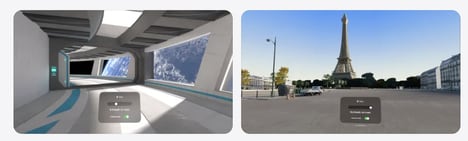

Spatial Media Toolkit is designed to convert traditional 2D media into spatial photo and video formats. The app processes standard images and videos to create 3D spatial versions that can be viewed on devices such as Apple Vision Pro and Meta Quest headsets. This allows existing media libraries to be experienced with added depth and immersion.
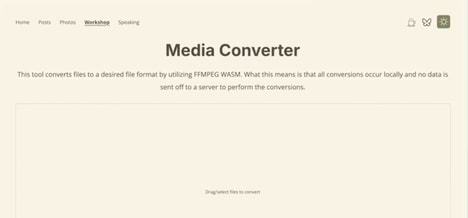
All conversion takes place directly on the user’s device, providing a workflow that does not depend on cloud processing. Users can transform content locally and prepare it for playback on supported spatial computing platforms.
Spatial Media Toolkit focuses on making immersive media creation more accessible by extending the usefulness of existing content. It provides a bridge between traditional media formats and the growing world of spatial experiences. A familiar photo or video can become something that feels far more present and immersive.
Image Credit: Spatial Media Toolkit
Key Themes Behind This Trend
- On-device Spatial Conversion
- Local processing creates room for privacy-focused immersive media tools that transform personal content without relying on cloud infrastructure.
- Legacy Media Immersion
- Existing photo and video libraries gain new commercial value when standard 2D assets can be converted into depth-rich spatial experiences.
- Accessible Spatial Creation
- Simplified conversion workflows lower technical barriers for creators, brands, and consumers entering spatial computing ecosystems.
Where This Applies
- Spatial Computing
- Headset platforms benefit from expanded content availability as everyday media becomes compatible with immersive viewing environments.
- Consumer Media Software
- Editing and conversion apps can evolve into essential utilities for preparing personal and professional content for 3D playback.
- Digital Entertainment
- Film, gaming, and interactive media markets are positioned to repackage archived visual assets into more immersive audience experiences.