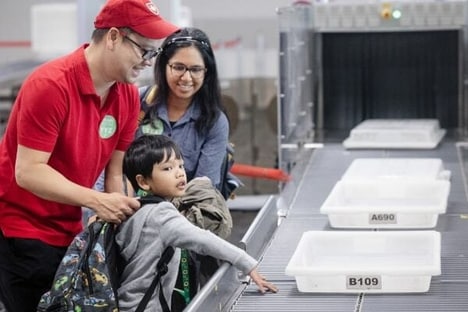
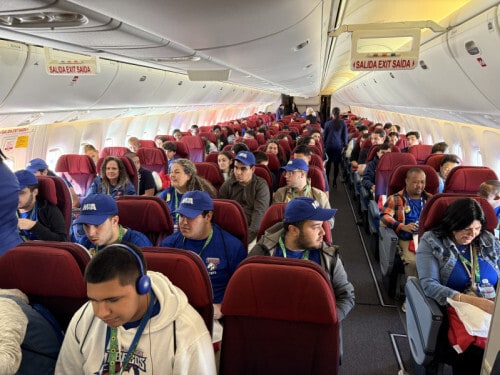
Miami International Airport, in collaboration with Delta Air Lines and LATAM Airlines, recently organized a specialized event for a group of more than 150 children with disabilities, allowing them to participate in a simulated air travel process. This initiative guided the children and their accompanying adults through the complete sequence of a journey — from obtaining a boarding pass and proceeding through security checkpoints to finally entering a stationary aircraft.
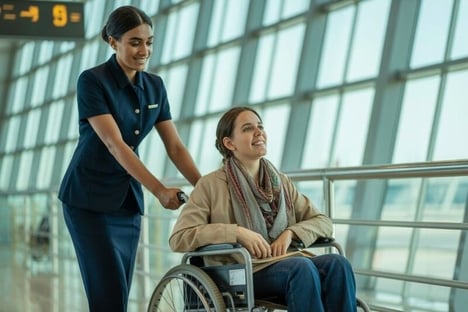
The aim of the simulated air travel initiative was to familiarize participants with the complex airport environment in a controlled and supportive setting, thereby building their confidence for potential future travel. Representatives from the involved organizations highlighted the program's role in promoting a more inclusive travel industry and providing valuable practical experience for their staff in assisting passengers with diverse needs.
Image Credit: Miami International Airport
What's Driving This Trend
- Inclusive Travel Initiatives
- Simulation events offer an opportunity to design travel systems and services that cater to passengers with diverse abilities, fostering industry-wide inclusivity.
- Experiential Training Programs
- Airlines and airports prioritize experiential learning by providing real-world practice to improve staff competence in handling passengers with special needs.
- Simulated Experience Events
- The growing trend of simulated environments aims to ease anxiety and enhance familiarity for travelers, potentially transforming the future of onboarding processes.
Who This Affects Most
- Aviation
- Airlines are exploring simulations to broaden accessibility and prepare for an increasingly diverse passenger demographic.
- Training and Development
- Educators in professional environments are integrating simulation exercises to effectively train staff for complex, real-world tasks.
- Event Management
- Innovative event planning leverages simulated experiences to cater to specialized audiences, enhancing participant engagement and inclusivity.