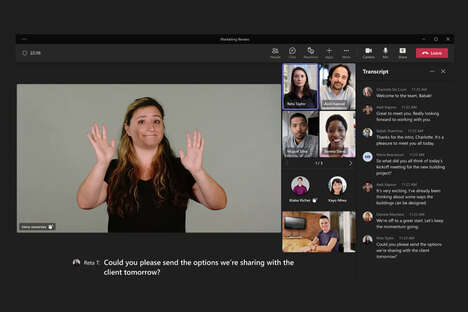
While most sign language interpreters devote their time to helping others with educational pursuits, Barbie Parker has chosen a different path.
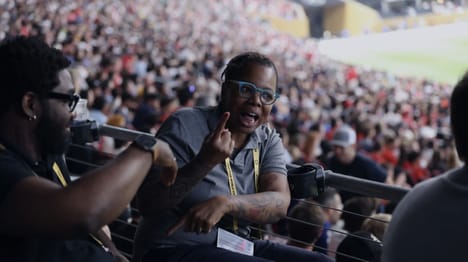
She combined her career with her passion for music and started doing sign language interpretations for rock concerts. This free-spirited woman translates lyrics as well as the music itself to her customers.
“Music is such a large part of who I am,” she says. “I want to be able to open up that experience.” Barbie Parker mouths words, air guitars and drums. For a music enthusiast and a sign linguist, I cannot think of a more fitting career choice and wholeheartedly congratulate this woman for her ability to integrate what she does into what she loves.
Key Themes Behind This Trend
- Concert Accessibility for the Deaf and Hard of Hearing
- Providing more inclusive concert experiences through sign language interpretation, closed captioning, and other accommodations.
- Entertainment Interpretation Professionals
- Emerging demand for professionals who can bridge the gap between entertainment and accessibility through interpretation and technology.
- Accessibility as a Creative Element
- Incorporating accessibility needs into the creative process, creating new and innovative ways to make entertainment experiences inclusive for all.
Where This Applies
- Music Industry
- Opportunities to increase revenue and reach a wider audience by investing in accessibility accommodations for concerts and music events.
- Entertainment Industry
- A need for more professionals who specialize in making entertainment accessible to individuals with disabilities, creating jobs and new business opportunities.
- Assistive Technology Industry
- Innovation in the development of new assistive technologies designed specifically for facilitating access to musical experiences for the deaf and hard of hearing.