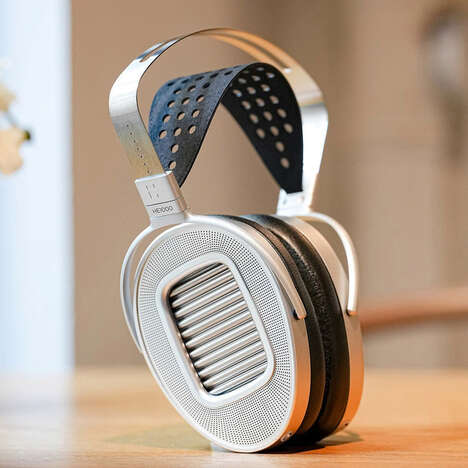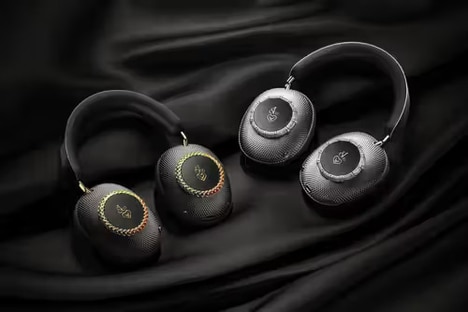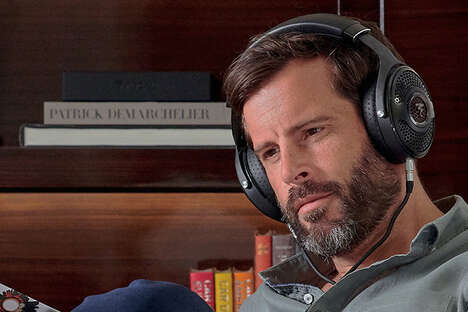

In the 1990s, Sennheiser asked the world's top audio engineers to create the best headphones ever made, and the result was 300 pairs of Sennheiser Orpheus sets. They cost $10,000, and it was widely agreed that they lived up to Sennheiser's mandate.
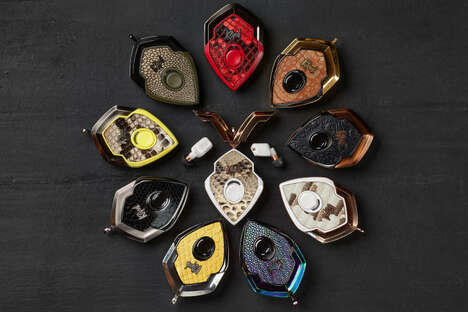
A decade later, a second edition of the Sennheiser Orpheus is here. Apparently, they are the product of a full ten years' worth of steady work, and the price tag reflects this. At $55,000, they would be more at home in a museum than around a teenager's neck. The inner mechanics of the new Sennheiser Orpheus are made of gold, silver, copper, brass and Carrara marble -- the stone that Michelangelo sculpted with. They have an unheard-of 0.01 distortion percentage, and Sennheiser's Senior Acoustic Engineer says that when he used them, he heard new details in music he'd been listening to for years.
What's Driving This Trend
- Luxury Audio Equipment
- Disruptive innovation opportunities lie in the creation of high-end and unique audio equipment using unconventional materials.
- High Fidelity Headphones
- There is an opportunity to explore the design and production of high-fidelity headphones for audiophiles with a willingness to pay a premium price.
- Customizable Headphones
- Companies can design customizable headphones that allow users to choose the materials and sound features based on their preferences.
Who This Affects Most
- Consumer Electronics
- The high-end audio equipment industry has the potential to benefit from the production of exclusive headphones that cater to audiophiles.
- Luxury Goods
- Luxury goods markets can explore the production of high-end headphones and speakers made from unconventional materials as a way to attract customers looking for unique products.
- Music Streaming Services
- Music streaming services can target audiophiles by offering a premium subscription package that includes a high-fidelity audio streaming option and a discount on luxury headphones.