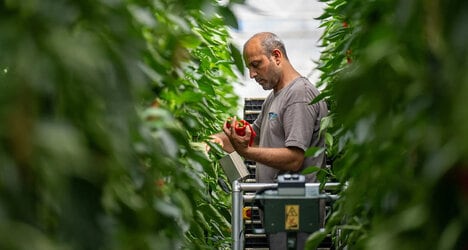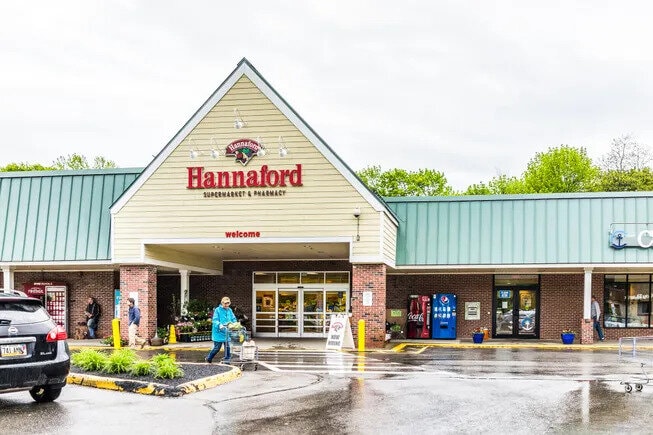
Hannaford has reintroduced seasonal in-store farm stands featuring fruits and vegetables sourced from more than 125 local farmers and growers. The displays bring a concentrated selection of fresh produce into the supermarket footprint with items that include carrots, corn, squash, apples and potatoes.
The stands are stocked through partnerships with regional producers, including Leary Farm of Saco, Maine, and Brookdale Fruit Farms of Hollis, New Hampshire. The grocer also donated $500,000 to the Northeast Farmers Fund to support producers using regenerative agriculture, tying the in-store feature to broader grower support efforts.
The stands make it easier to find fresh, seasonal items and to identify nearby sources for their produce. For local farms, the program helps expand reach and visibility while giving stores a tangible way to highlight local assortments and support supplier resilience.
Image Credit: Getty Images, Hannaford
What's Driving This Trend
- Localized Produce Merchandising
- Supermarkets are creating compact seasonal displays that make regional sourcing more visible, opening space for differentiated fresh-food experiences within standard retail layouts.
- Regenerative Retail Partnerships
- Grower support funds tied to in-store programs signal a shift toward retail models that connect sustainability investments with consumer-facing product stories.
- Seasonal Food Discovery
- Curated farm-stand assortments help shoppers navigate peak-season produce, revealing potential for rotating retail formats that blend convenience with local authenticity.
Who This Affects Most
- Grocery Retail
- Regional farm-stand concepts give grocers a way to refresh produce departments while strengthening shopper loyalty through transparent local sourcing.
- Agriculture
- Expanded supermarket partnerships provide smaller farms with higher-visibility distribution channels, creating new value around traceability, seasonality and regenerative practices.
- Food Distribution
- Localized supply networks are becoming more important as retailers seek flexible systems that can aggregate seasonal products from multiple nearby growers.