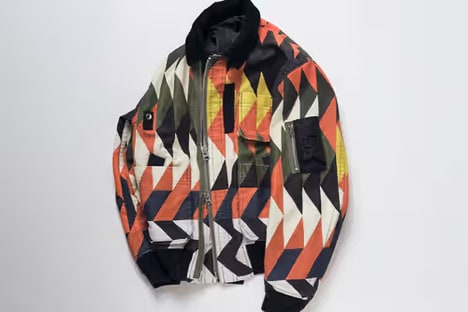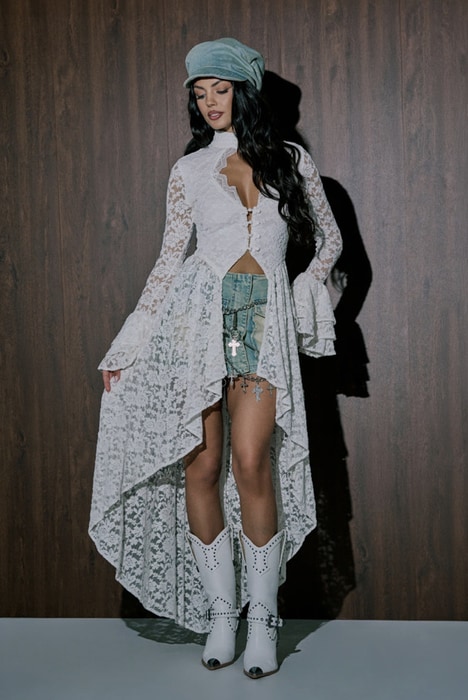
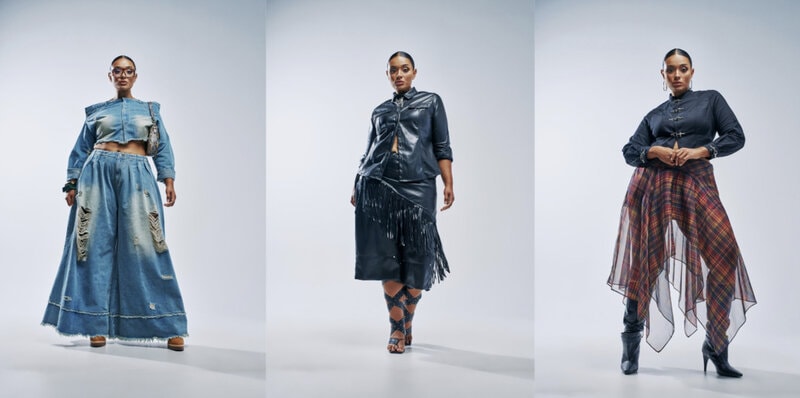
AKIRA has introduced revised extended sizing that pairs a reworked size chart and grading system with fit adjustments specifically engineered for curvier bodies. This particular, forward-thinking initiative extends the brand's trend-driven, statement-making assortment to a wider customer base.
As part of its improved extended sizing, AKIRA did not simply enlarge its patterns but reshaped woven and non-stretch garments, as well as made targeted modifications to sleeves, waistlines, hips, pant rises, cup sizing, and bodysuit coverage. Each extended-size style was fitted on a 1X model before production.
The emphasis on re-proportioning rather than upscaling addresses a common frustration among plus-size shoppers who find that extended sizes often look like stretched versions of smaller garments, so the attention to problem areas such as armholes, waist placement, and bust support is likely to feel genuinely responsive.
Image Credit: AKIRA
Key Themes Behind This Trend
- Body-specific Grading
- Precision fit systems tailored to distinct body proportions are reshaping apparel development by moving beyond simple size scaling.
- Inclusive Trend Fashion
- Trend-led assortments with expanded sizing create space for style-focused consumers who have historically been underserved by mainstream fashion.
- Fit-tested Production
- Pre-production fittings on representative extended-size models introduce more reliable quality control for garments designed around real customer needs.
Where This Applies
- Fashion Retail
- Retailers can differentiate through inclusive fit strategies that improve customer confidence and reduce dissatisfaction tied to inconsistent sizing.
- Apparel Manufacturing
- Manufacturers gain relevance from pattern engineering, grading expertise, and construction methods that support more accurate extended-size garments.
- E-commerce Fashion
- Digital fashion platforms benefit from improved sizing accuracy as better fit information can lower returns and strengthen shopper trust.