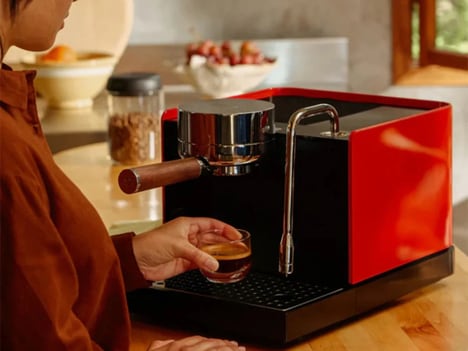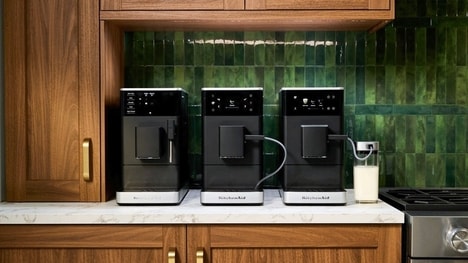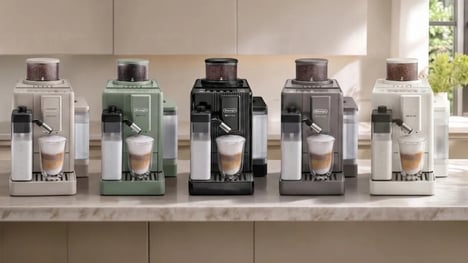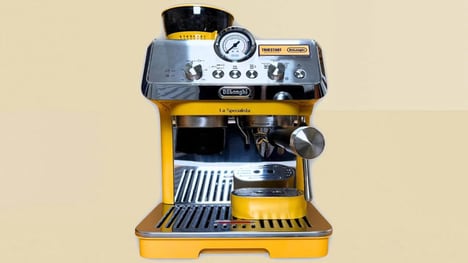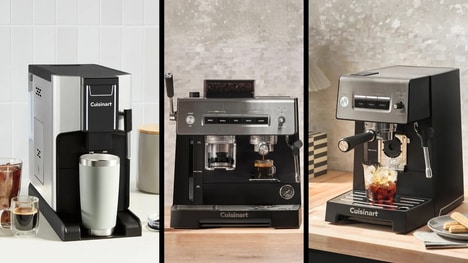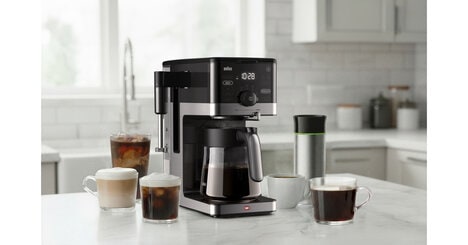
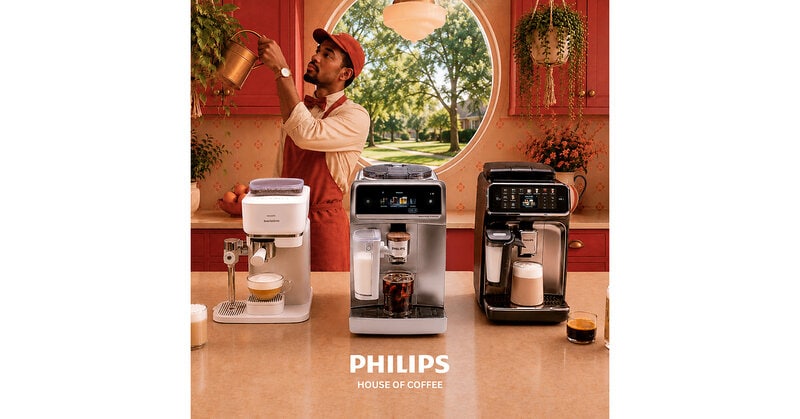
Philips is expanding at-home coffee making with a portfolio that starts simple and moves toward full customization. The brand's coffee and espresso lineup is designed to meet both beginners and experienced home baristas on a single path, from easy first shots to more tailored café-style drinks.
The 'Philips 3300 LatteGo' delivers six hot and iced beverages with one-touch brewing, while the 'Philips 5500 LatteGo' offers twenty-one one-touch drink options with customizable settings. That range makes it easier for shoppers to move from everyday coffee to more personal drinks without switching brands or relearning a new machine each time.
For shoppers, this means the coffee maker can adapt to changing tastes rather than becoming obsolete after the first upgrade. The four-machine lineup also makes Philips feel less like a single-appliance purchase and more like a ladder, which is useful in a category where confidence and convenience often matter as much as speed.
Image Credit: Philips
What Makes This Trend Stand Out
- Upgradeable Home Brewing
- Tiered espresso ecosystems create room for appliance brands to retain households as tastes evolve from basic coffee routines to more personalized café-style experiences.
- One-touch Customization
- Simplified interfaces paired with broad drink menus signal an opening for premium machines that make complex beverage personalization feel accessible to beginners.
- Lifestyle Appliance Ladders
- Product lineups structured as progressive steps can turn single purchases into long-term brand pathways across skill levels, budgets, and changing household preferences.
Sectors Adopting This
- Home Appliances
- Connected, scalable kitchen devices are reshaping appliance portfolios around adaptability, helping brands extend relevance beyond a single replacement cycle.
- Specialty Coffee
- At-home café replication is expanding the specialty coffee market by blending convenience with personalization typically associated with professional barista settings.
- Consumer Electronics
- Interface-led product differentiation in countertop devices highlights opportunities for electronics brands to compete through guided experiences, presets, and customizable controls.