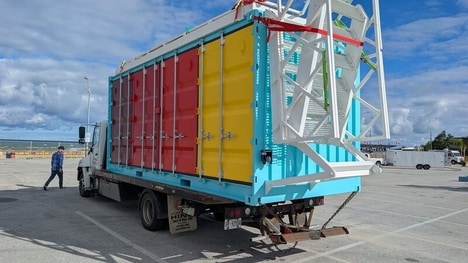
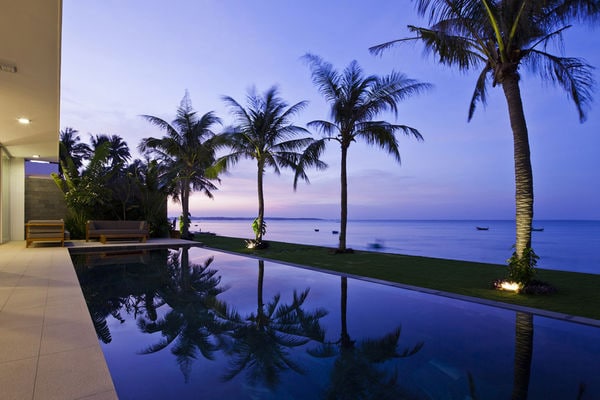
The Save the Beach hotel is a temporary tourist destination in Rome made completely from debris found in European beaches. The materials used to build the hotel include plastic bags, fishing nets, skateboards, and unwanted clothes. Guests can even see a rocking horse and a mannequin’s leg in one of the walls.
The Save the Beach hotel has no showers, and the lavatories are chemical toilets. Ha Schult, a German artist, is the creator of the temporary recycled hotel. Helena Christensen is among the Save the Beach hotel's celebrity guests.
What Makes This Trend Stand Out
- Eco-friendly Design
- Creating temporary tourist destinations and accommodations using recycled materials found on beaches presents an opportunity for sustainable and eco-friendly design innovations.
- Upcycling
- Repurposing discarded items such as plastic bags, fishing nets, and unwanted clothes to construct temporary structures like the Save the Beach hotel offers a chance for upcycling and reducing waste.
- Artistic Sustainability
- Combining art and sustainability in initiatives like the Save the Beach hotel showcases the potential for creative ways to raise awareness about environmental issues while providing unique experiences for travelers.
Sectors Adopting This
- Hospitality
- The hospitality industry can explore the concept of creating temporary eco-friendly accommodations using recycled materials as a unique selling point and an opportunity for sustainable tourism.
- Fashion
- By using unwanted clothes and transforming them into building materials, the fashion industry can find ways to promote circular economy practices and reduce textile waste through innovative design solutions.
- Art
- Artists and creative professionals can utilize discarded items to create temporary installations and structures, merging art with sustainability to stimulate conversations around environmental preservation and consumerism.