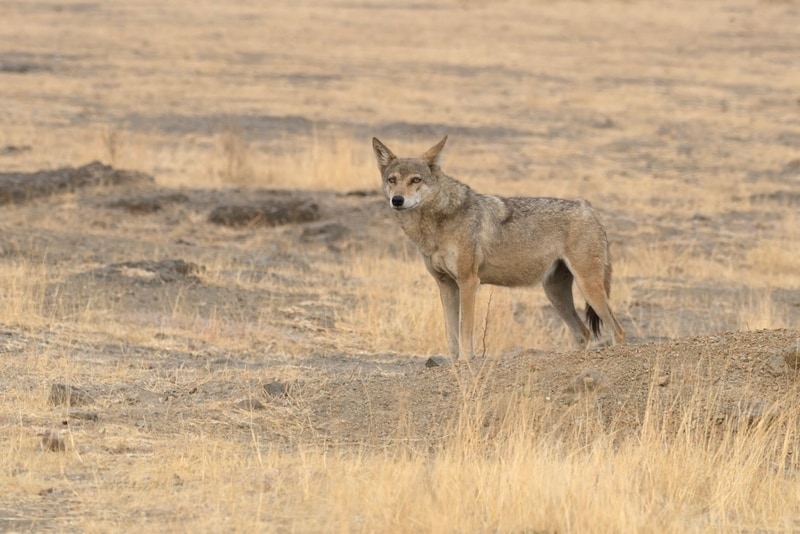
Researchers at Michigan State University and collaborators examined centuries-old Marathi poems, songs and sacred stories to map past vegetation, featuring documented references of Savanna evidence to thorny trees and open grasslands that match modern western India savannas. The team reviewed literary sources dating back to the 13th century and identified 44 wild plant species, with many accounts explicitly mentioning acacias and other savanna-associated flora.
Their methodology combined literary analysis with ecological expertise to link named plants to present-day species and distributions. The findings indicate these grasslands persisted for at least 750 years, challenging assumptions that they were degraded forests and informing where reforestation may be inappropriate.
For consumers and policymakers, the work reframes conservation priorities by valuing native savanna ecosystems for biodiversity, cultural heritage and carbon storage, helping avoid one-size-fits-all tree-planting that could harm native landscapes.
Image Credit: Shutterstock / mihirjoshi
Key Themes Behind This Trend
- Literary-ecological Synthesis
- Integrating literary analysis with ecological data opens new avenues for understanding historical ecosystems and informs present-day conservation strategies.
- Cultural Heritage Valuation
- Recognizing past cultural narratives enriches conservation priorities by emphasizing the preservation of ecosystems as cultural and environmental assets.
- Biodiversity-driven Conservation
- Prioritizing native savanna ecosystems for their biodiversity and ecological functions shifts traditional reforestation practices towards more tailored environmental stewardship.
Where This Applies
- Ecological Consulting
- This industry can leverage historical literary analysis to offer more informed and culturally sensitive conservation strategies.
- Cultural Heritage Preservation
- Uncovering the ecological insights embedded in cultural texts enhances the preservation of both natural and cultural heritage.
- Sustainable Forestry Management
- By understanding historically accurate vegetation, forestry management can align reforestation efforts with the preservation of traditional ecosystems.