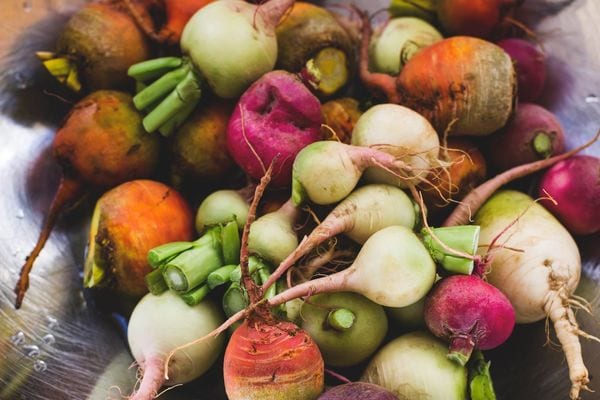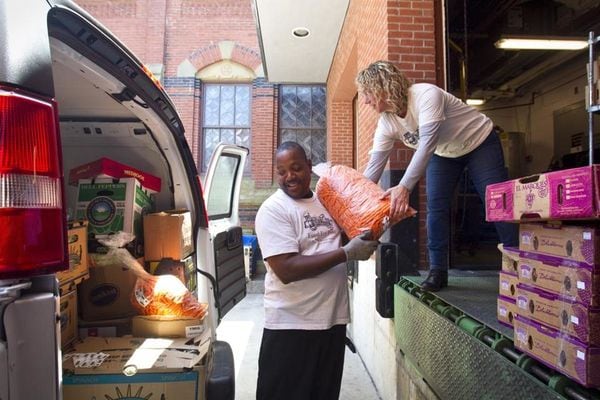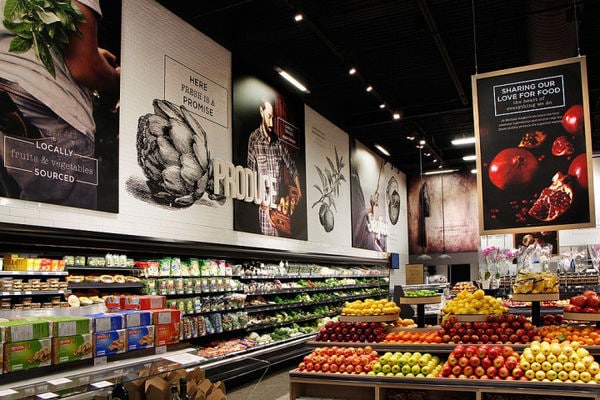
One Sainsbury's supermarket in Britain will soon begin using unsellable and waste food products for power. Produce that is a little past its prime but still edible will be donated to charities, while food that's even older will be used in the production of animal feed and donated to zoos.
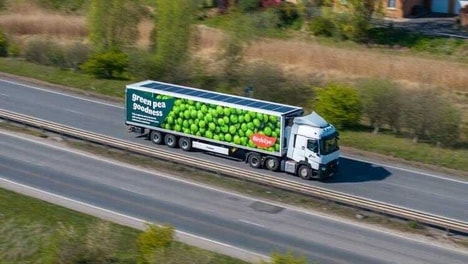
Food that's completely rotten however will be picked up from Sainsbury's supermarkets and stores across the UK by the same trucks that deliver fresh food -- saving on transportation-related emissions.
The trucks will then deliver the food waste to a special plant, where it will be converted into bio-methane gas, which in turn will be used to produce electricity.
This electricity will then be supplied to the Sainsbury's supermarket in the town of Cannock via a cable. This electricity will meet the store's day-to-day needs and allow it to operate independent of the national electricity grid.
Why This Trend Is Growing
- Waste-to-energy
- Opportunity to invest in technology that converts food waste into bio-methane gas for renewable energy production.
- Circular Economy
- Opportunity to explore ways to minimize food waste by repurposing unsellable and rotten food products for other uses.
- Sustainable Supply Chain
- Opportunity to reduce transportation-related emissions by utilizing trucks that deliver fresh food to also pick up food waste for conversion into renewable energy.
Industries Being Reshaped
- Renewable Energy
- Opportunity for renewable energy companies to develop waste-to-energy technology and provide solutions for supermarkets.
- Food and Beverage
- Opportunity for the food industry to implement circular economy practices and find ways to repurpose unsellable and rotten food products.
- Logistics and Transportation
- Opportunity for logistics companies to optimize supply chain operations by incorporating a waste collection system into their existing delivery routes.