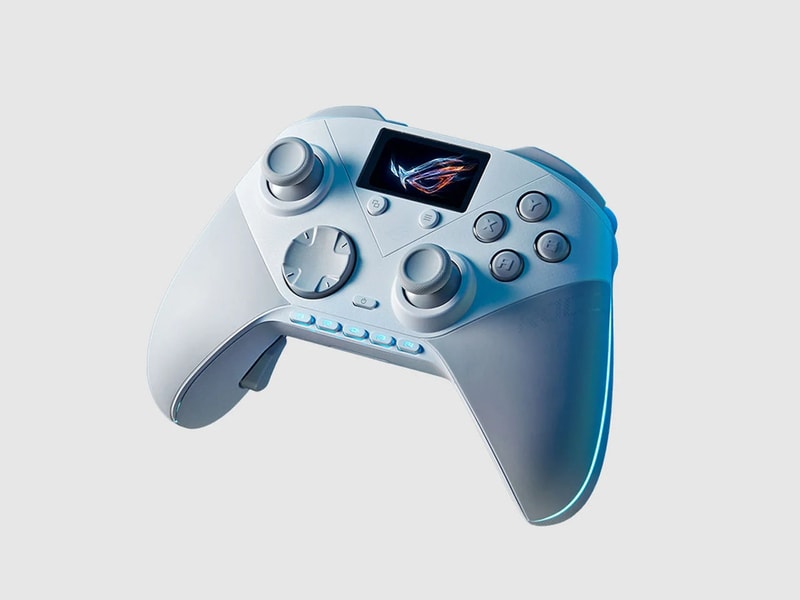
The ROG Raikiri II Pro is ASUS' latest gaming controller for PC, introducing hardware upgrades that emphasize low-latency performance and customization. The controller supports an 8,000 Hz polling rate in wired mode and uses SpeedNova wireless technology for a 2.4 GHz connection, while Bluetooth and USB-C provide additional connectivity options.
Every primary input uses micro switches for faster actuation, and the controller combines anti-drift TMR thumbsticks with dual-mode triggers that switch between short-travel micro-switch operation and full-range analog control for different game genres.
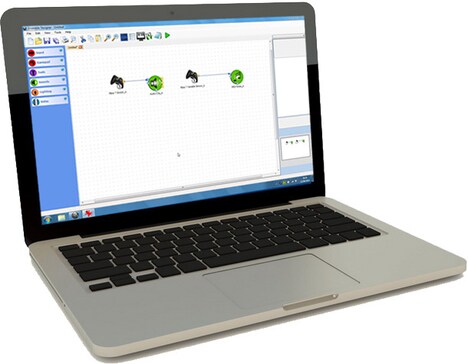
The controller works with ASUS Gear Link software for button remapping, stick sensitivity adjustments, trigger dead-zone tuning, vibration controls, and onboard profile management. RGB lighting, interchangeable thumbstick caps, and onboard profile storage allow users to tailor both appearance and gameplay settings. ASUS also includes a charging dock and protective carrying case capable of recharging the controller during storage.
Image Credit: ASUS
Why This Trend Is Growing
- Ultra-low-latency Controllers
- Competitive gaming peripherals are increasingly defined by high polling rates and optimized wireless protocols that create openings for premium performance hardware beyond traditional wired setups.
- Modular Input Customization
- Interchangeable controls, remappable buttons, and adjustable triggers reflect a shift toward adaptive hardware suited to multiple genres, play styles, and accessibility needs.
- Anti-drift Precision Sticks
- Magnetic and TMR thumbstick technologies are reshaping controller durability expectations by reducing drift-related failures and extending device lifecycles.
Industries Being Reshaped
- Gaming Hardware
- Advanced controller components and bundled accessories are expanding differentiation opportunities for brands competing in enthusiast and esports-focused markets.
- Consumer Electronics
- Wireless charging docks, RGB personalization, and portable cases indicate growing convergence between gaming devices and lifestyle-oriented electronics ecosystems.
- Gaming Software
- Companion configuration platforms are becoming central to peripheral value, with profile management and input tuning supporting deeper integration between hardware and gameplay experiences.