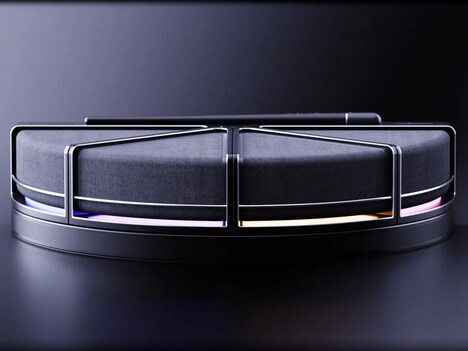
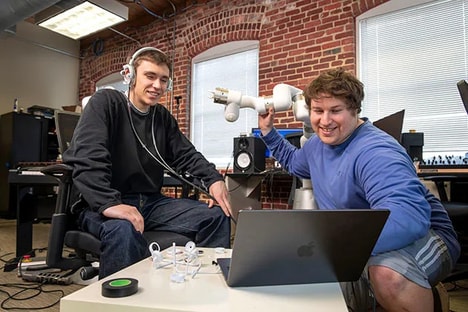
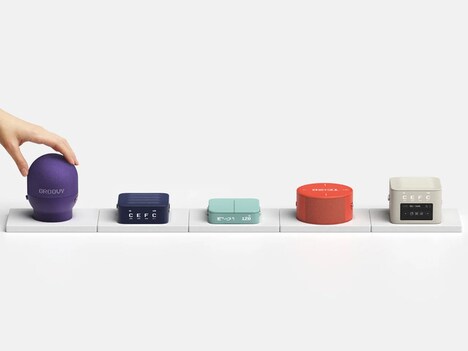
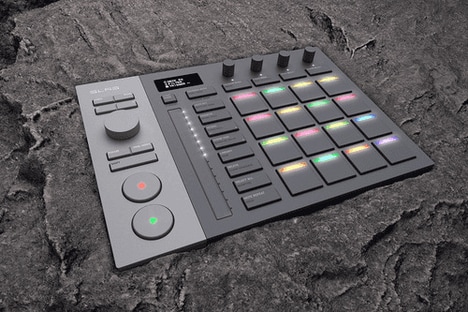
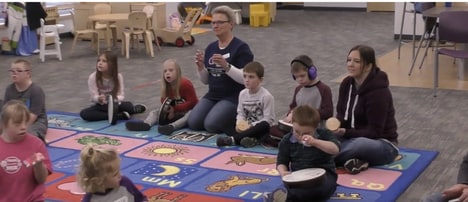
SKUG — a company specializing in accessible music technology — has developed Apollo Ensemble. This product is a Windows software platform that links inputs from switches, movement sensors, MIDI controllers, assistive switch interfaces, game controllers, and wireless sensors to outputs including sound, lighting, and image. This enables the creation of accessible musical instruments, interactive spaces, and sensory environments tailored to a wide range of individual abilities.
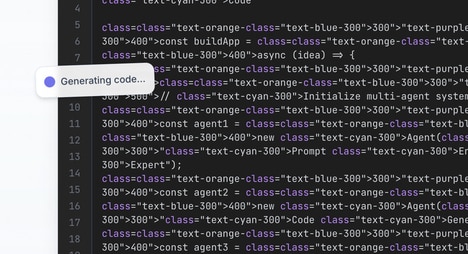
SKUG’s Apollo Ensemble software features a simple drag-and-drop Designer interface that allows users to create new themes in seconds, while Launchpad serves as a stand-alone application for playing those themes.
The ability to combine multiple input devices simultaneously and map them to sound, image, and DMX-controlled lighting creates immersive, multi-sensory experiences that are valuable not only for therapeutic and educational settings but also for live performances, exhibitions, and interactive installations. Thus, SKUG’s Apollo Ensemble is extremely versatile and useful for many different disciplines.
Image Credit: SKUG
Key Themes Behind This Trend
- Adaptive Music Platforms
- Software that converts diverse assistive inputs into expressive audio, visuals, and lighting expands creative participation for users with varied physical and cognitive abilities.
- Multi-sensory Interaction Design
- Immersive systems combining sound, image, motion, and lighting create new value across therapy, education, entertainment, and experiential brand environments.
- No-code Creative Interfaces
- Drag-and-drop tools lower technical barriers for building personalized instruments, interactive spaces, and performance themes without specialized programming expertise.
Where This Applies
- Assistive Technology
- Connected input devices and customizable software environments support more inclusive product ecosystems for communication, creativity, rehabilitation, and independent expression.
- Music Education
- Accessible digital instruments provide alternative pathways for students with different abilities to participate in composition, performance, and collaborative learning.
- Experiential Entertainment
- Interactive installations and live performance environments gain broader audience engagement through sensor-driven participation, responsive media, and adaptive lighting control.