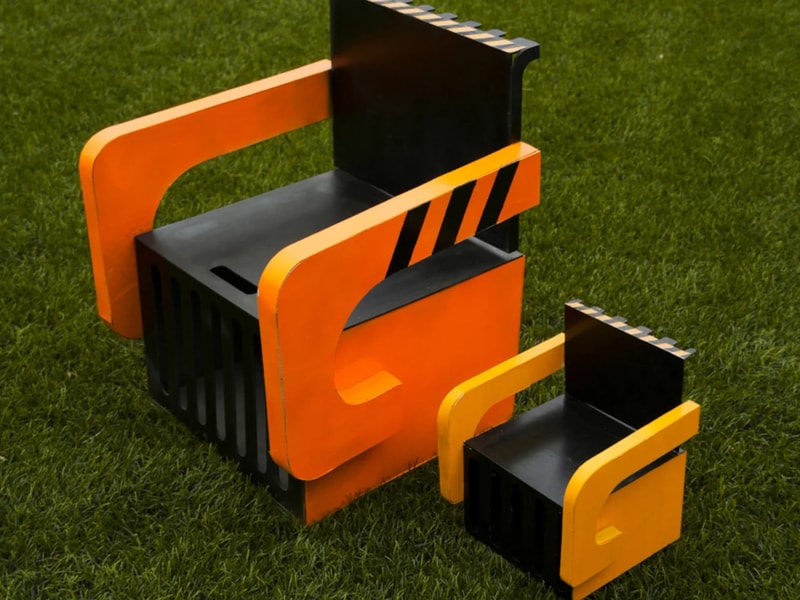
The ROCCO chair concept by designer Nidhun K M rethinks children’s seating through a modular structure that can adapt as a child grows. Instead of relying on fixed proportions or novelty shapes, the design uses interchangeable components that can be rearranged for different activities and stages of use. The chair features a restrained form with soft edges and neutral finishes that avoid the bright colors and cartoon styling often associated with children’s furniture.
Varying differently from most short-term kids' furniture, the ROCCO concept focuses on longevity and reusability through adaptable construction. The modular format allows the chair to shift alongside changing needs without requiring replacement, supporting both sustainability and long-term household use. Nidhun K M developed the project as a concept exploring how children’s furniture can encourage autonomy, interaction, and flexibility.
Image Credit: Nidhun K M
What Makes This Trend Stand Out
- Modular Adaptive Seating
- A move toward reconfigurable seat components that adjust ergonomics and function as children grow, enabling multi-stage product lifecycles and customizable family use.
- Neutral Minimal Kids Design
- Design language that replaces bright, character-driven aesthetics with restrained forms and neutral finishes to broaden longevity and cross-generational appeal.
- Longevity-focused Product Systems
- Systems-oriented products emphasizing interchangeable parts and repairability that reduce replacement cycles and support circular consumption models.
Sectors Adopting This
- Children's Furniture
- Product lines that integrate modularity and adjustable ergonomics to serve multiple age groups and household functions over extended periods.
- Sustainable Home Goods
- Manufacturing and retail models prioritizing durable, repairable components and neutral aesthetics to minimize waste and extend product utility.
- Educational Environments
- Learning spaces adopting adaptable seating solutions to accommodate diverse activities, developmental stages, and collaborative configurations.