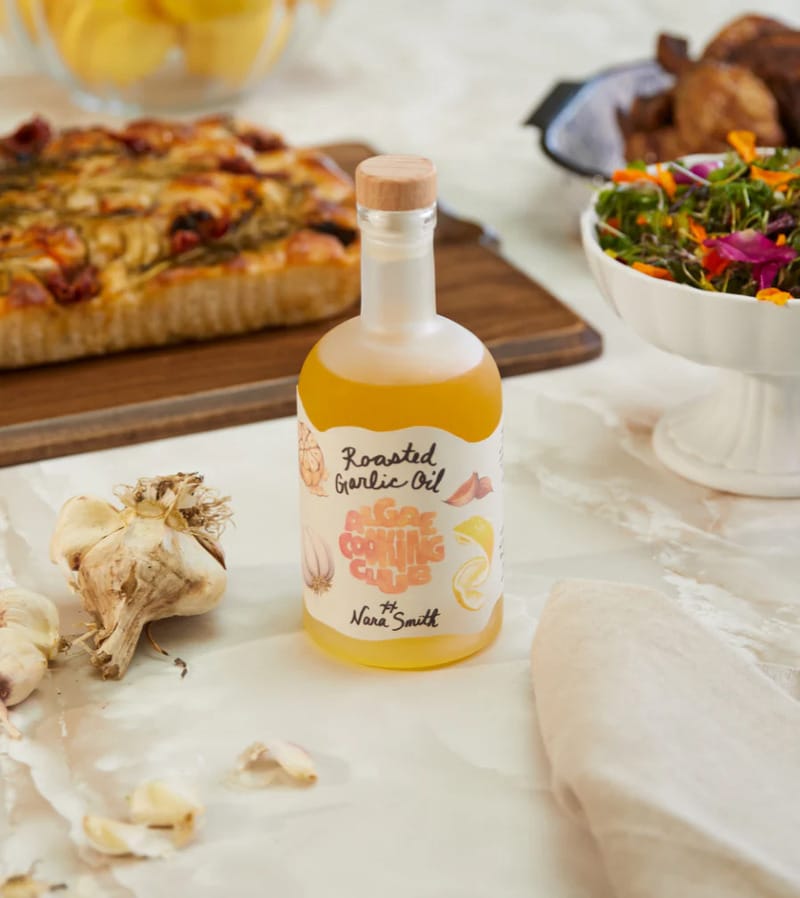
Algae Cooking Club teamed up with Nara Smith to release Roasted Garlic Oil, a flavorful cooking oil that uses sustainably grown microalgae instead of farmed crops, and provides a cleaner alternative to seed and vegetable oils. This limited release celebrates the art of slow cooking with small batches that are "steeped like tea for hours in [...] chef-grade algae oil to create a rich, buttery depth that makes everything taste homemade." Building on a base of chef-grade algae oil, the product is full of complex flavor from intentional inclusions like miso powder, scallions and yuzu extract.
This special release is the brand's first-ever glass bottle, and per Nara's request, the display-worthy design is frosted so that it makes an aesthetically pleasing countertop piece that provides protection for the oil within.
What Makes This Trend Stand Out
- Sustainable Algae Oils
- Exploring the substitution of traditional seed and vegetable oils with microalgae-based oils opens new avenues for sustainable culinary practices.
- Flavor-infused Oils
- The demand for flavor-rich cooking oils is on the rise, as consumers look for innovative ways to enhance homemade meals with complex taste profiles.
- Aesthetic Food Packaging
- Designing visually appealing and functional glass packaging is becoming crucial in attracting consumers seeking both quality content and an attractive kitchen display piece.
Sectors Adopting This
- Alternative Food Ingredients
- The utilization of microalgae in cooking oils provides a unique opportunity for companies to diversify product offerings while focusing on sustainability.
- Gourmet Cooking Products
- Luxury cooking oils infused with distinct flavors like garlic, miso, and yuzu are gaining traction in the gourmet market, appealing to cooks who value artisanal food experiences.
- Sustainable Packaging Solutions
- As consumer demand for eco-friendly packaging grows, adopting sustainable materials for food products like oils can differentiate brands in a competitive market.